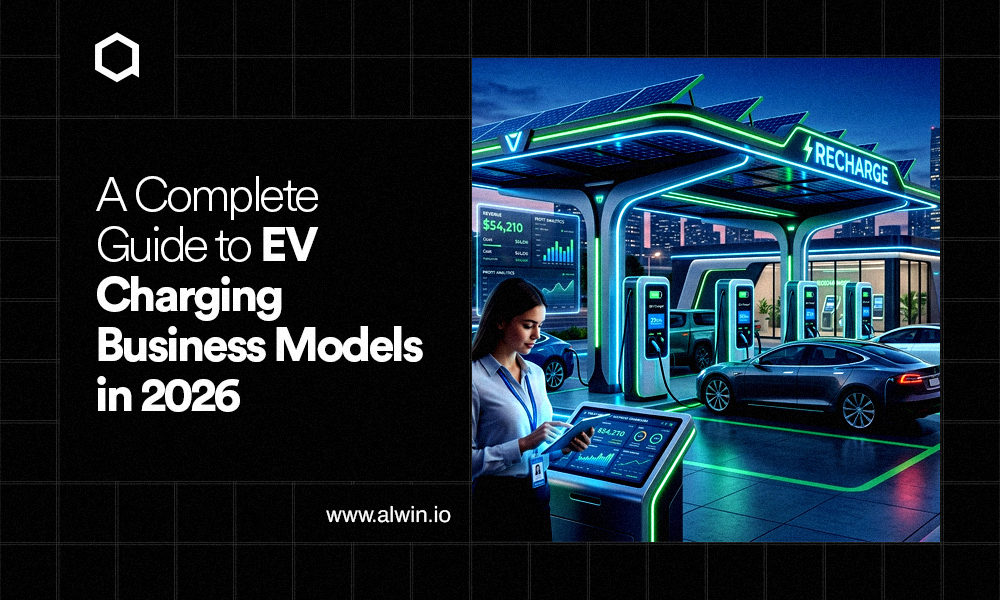
The electric vehicle industry is growing across global markets, creating new business opportunities for startups, investors, and technology companies. As EV adoption continues to increase, charging infrastructure is becoming a major part of the transportation ecosystem. However, launching charging stations alone is not enough. Businesses also need a sustainable revenue strategy to generate long-term profits.
This is where EV charging business models become important. A business model defines how a company delivers value and earns revenue from its services. Different charging businesses use different approaches depending on their target audience, investment capacity, and growth goals.
Understanding EV charging business models helps entrepreneurs identify the most suitable approach before entering the market. In this guide, we will explore the most common EV charging business models, their benefits, challenges, and future opportunities.
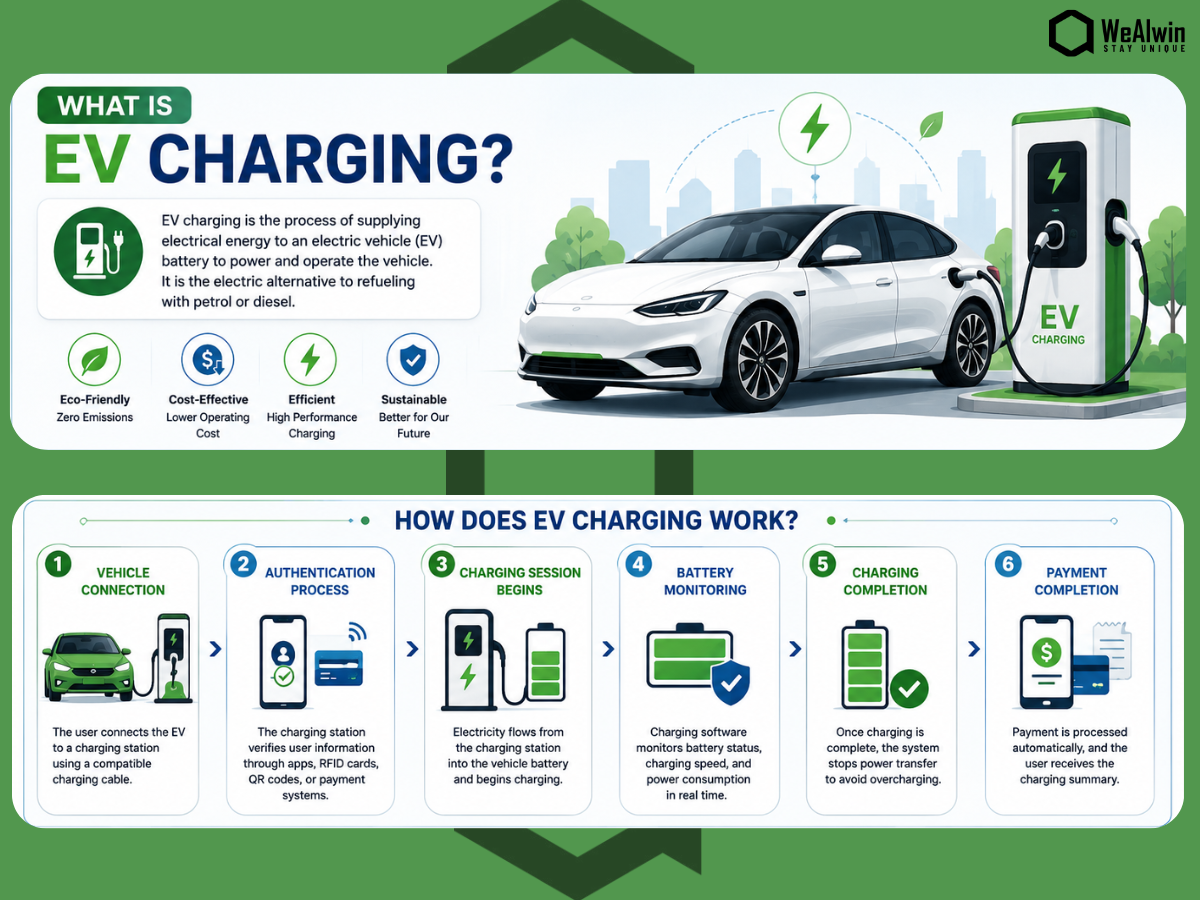
Top EV Charging Business Models
Public EV Charging Business Model
The public charging model is one of the most common approaches in the EV industry. In this model, businesses install charging stations in public locations and charge users based on electricity consumption or charging time.
Common locations:
- Shopping malls
- Restaurants
- Airports
- Parking spaces
- Highway stations
- Commercial buildings
Revenue typically comes from:
- Charging fees per kWh
- Time-based charging fees
- Membership subscriptions
- Additional service charges
Benefits
- Large customer base
- Recurring revenue opportunities
- Increasing demand due to EV adoption
Challenges
- High infrastructure investment
- Maintenance requirements
- Location dependency
- Public charging stations are expected to remain a major revenue source as EV adoption increases globally.
Fleet Charging Business Model
Fleet charging is designed for businesses operating multiple electric vehicles.
- Delivery companies
- Taxi services
- Logistics businesses
- Public transportation systems
- Instead of serving individual customers, businesses provide charging services to fleet operators.
Revenue can come from:
- Charging subscriptions
- Fleet contracts
- Long-term service agreements
Benefits
- Stable recurring revenue
- Long-term customer relationships
- Predictable demand
Challenges
- Requires specialized charging management
- High power requirements
- Complex scheduling systems
- Fleet charging is becoming attractive because commercial fleets are transitioning toward electric transportation.
Subscription-Based Charging Model
Subscription models are increasingly popular in EV charging businesses.
Customers pay monthly or yearly fees for charging access instead of paying per session.
A customer may subscribe to a premium charging package that offers:
- Unlimited charging sessions
- Discounted charging rates
- Priority access
- Premium support services
Revenue comes through:
- Monthly subscriptions
- Annual memberships
- Premium service packages
Benefits
- Predictable recurring revenue
- Better customer retention
- Increased customer loyalty
Challenges
- Customer acquisition costs
- Service management complexity
- Subscription-based charging models work particularly well for urban areas with frequent EV users.
White Label EV Charging Business Model
The white label model allows businesses to use ready-made EV charging software and platforms under their own brand.
Building software from scratch, businesses can customize existing solutions.
White-label platforms generally include:
- Mobile applications
- Charging management systems
- Payment systems
- Analytics dashboards
- Customer management tools
Revenue comes from:
- Platform usage fees
- Software subscriptions
- Service packages
Benefits
- Faster launch time
- Reduced development costs
- Easier scalability
Challenges
- Limited customization in some cases
- Dependence on software providers
- Many startups choose white-label solutions because they reduce initial investment requirements.
Franchise EV Charging Model
Some businesses choose franchise-based operations.
In this model, entrepreneurs purchase rights to operate charging stations under an established brand.
The franchisor provides:
- Brand support
- Technology
- Marketing assistance
- Operational guidance
Revenue depends on:
- Charging fees
- Franchise agreements
- Additional services
Benefits
- Reduced business risk
- Brand recognition
- Existing operational support
Challenges
- Franchise fees
- Operational restrictions
- Franchise models can help new businesses enter the market with lower risk.
Advertising Revenue Model
Advertising is becoming a growing opportunity within EV charging ecosystems.
Charging sessions often require waiting periods, creating opportunities for customer engagement.
Businesses can generate revenue through:
- Digital advertisements
- Promotional campaigns
- Partner sponsorships
- In-app advertisements
Benefits
- Additional revenue stream
- Improved partnerships
- Better customer engagement
Challenges
- Requires a large user base
- Depends on customer traffic
- Advertising may become increasingly valuable as charging networks expand.
Hybrid EV Charging Business Model
Many successful businesses combine multiple models relying on one approach.
A business may offer:
- Public charging
- Subscription packages
- Fleet services
- Advertising opportunities
Benefits
- Multiple revenue streams
- Reduced financial risk
- Better business flexibility
Challenges
- More operational complexity
- Greater management requirements
- Hybrid models are becoming popular because they diversify income sources.
Why EV Charging Business Models Matter?
Many businesses enter the EV industry with a focus only on charging infrastructure. While infrastructure is essential, profitability depends on how businesses structure their operations and revenue streams.
Choosing the right model helps businesses:
- Create long-term revenue opportunities
- Improve customer experiences
- Increase operational efficiency
- Scale business growth
- Reduce financial risks
- Build competitive advantages
Planning to start an EV charging business, one should evaluate revenue streams carefully because choosing the right business strategy can improve profitability and support long-term growth.
Factors to Consider Before Choosing an EV Charging Business Model
Before selecting a model, businesses should evaluate several factors.
Investment Budget
Infrastructure and software requirements vary significantly between models.
Target Customers
Businesses should identify whether they serve:
- Individual EV users
- Commercial fleets
- Corporate clients
- Government organizations
- Technology Requirements
Modern EV businesses require:
- Charging software
- Mobile applications
- Payment systems
- Real-time monitoring
Role of EV Charging Software in Business Growth
Modern EV charging businesses require more than physical charging stations. Software platforms have become essential for managing operations and delivering better customer experiences.
Advanced EV charging software solutions can help businesses:
- Monitor charging stations in real time
- Track charging sessions
- Process digital payments
- Manage users and subscriptions
- Generate business reports and analytics
- Enable remote charging station management
As charging networks continue expanding, software platforms help businesses improve operational efficiency and simplify management processes.
Cloud-based charging software also enables operators to manage multiple charging stations through centralized dashboards.
Future of EV Charging Business Models
The EV charging industry continues to evolve with technological advancements.
Future trends may include:
- AI-powered charging systems
- Smart charging management
- Vehicle-to-grid technology
- Cloud-based charging platforms
- SaaS-based charging ecosystems
- Businesses adopting flexible models may gain long-term competitive advantages.
The industry is moving beyond simply installing charging stations. Future growth will depend on creating connected ecosystems that deliver better user experiences and sustainable revenue streams.
Conclusion
The EV charging industry offers multiple business opportunities, but success depends on selecting the right business model. Public charging, fleet services, subscriptions, white-label platforms, franchise systems, and hybrid approaches each offer unique advantages.
The ideal model depends on business goals, customer needs, and investment capabilities. Businesses that combine technology, customer experience, and sustainable revenue strategies are likely to achieve stronger growth in the evolving EV market.
As electric mobility continues expanding worldwide, understanding EV charging business models can help businesses make informed decisions and build long-term success in this growing industry.