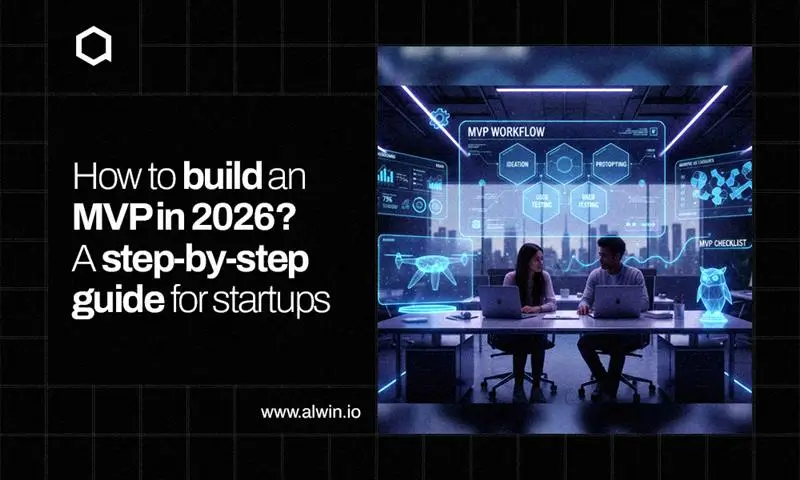
Looking to build an MVP for your startup? You’re already moving closer to success. We know how much demand comes with turning an idea into something real. That’s exactly why an MVP is so important. It lets you move forward with confidence without fear, and you understand what your users truly need before you invest more time and money.
As an MVP development company, we’ve seen that great ideas don’t fail; they simply lack direction when built without early feedback. A strong MVP gives you clarity, real user insights, and a clear path to grow. It helps you learn how different regions respond and improves your product’s visibility by focusing on real user intent. In this blog, we explore how our MVP process helps you trust your idea, reduce risk, and build a product people genuinely connect with.
Understanding What an MVP Really Means in 2026
In 2026, the meaning of an MVP(Minimum Viable Product) has changed. It’s no longer just a basic version of your product. Today, an MVP is a smart, focused tool that helps you understand your users before you build anything big. Because technology moves so fast, and user habits shift every few months, you can’t afford to guess anymore; you need real signals from real people.
Users now expect simple, quick, and useful solutions from day one. They don’t wait for long product cycles. They want value instantly, and they want a product that feels made for them. This is why the modern MVP isn’t about cutting features; it’s about choosing the right ones that truly matter.
How To Create an MVP Product?
Creating a Minimum Viable Product (MVP) is one of the fastest and most effective ways to validate a business idea with real users. Instead of spending months building a fully polished product, an MVP lets you launch quickly with only the essential features so you can test assumptions, gather feedback, and iterate based on real market demand. It’s a smart, low-risk approach to building products that truly solve user problems.
Step 1:
Define the Core Problem and Target User
First things first, start by asking yourself two key questions:
1. What is the real problem you want to solve?
Focus on the main pain point, not the smaller frustrations. Strong products solve issues that are urgent, frequent, or costly for users.
2. Who is facing this problem the most?
Describe your early adopters, the people who feel this problem deeply and are open to trying a new solution. They are the ones who will give you honest and valuable early feedback.
Step 2:
Start Smart by Choosing Only the Core Features
Before diving into development, focus on what truly matters. Start by identifying the features that solve the core problem for your users. Avoid overloading your product with unnecessary functionalities at the early stage. Prioritizing the essentials ensures faster development, lower costs, and a clearer path to validation.
How to Prioritize Features?
Use modern frameworks like:
MoSCoW Method: Classify features as Must-have, Should-have, Could-have, and Won’t-have.
RICE Scoring: Evaluate features based on Reach, Impact, Confidence, and Effort.
These methods help you make data-driven decisions and keep your MVP lean and effective.
Step 3: Choose the Right Tech Stack for Faster Iteration
In 2026, selecting the right technology stack is a critical step in turning your idea into a working product quickly and efficiently. Our solutions, speed and scalability are key, and your choices can make or break your early development phase. Here’s how to approach it:
Focus on Speed and Flexibility
Leverage No-Code and Low-Code Options
Prioritize Scalable Infrastructure
Future-Proof Your Choices
Step 4: Create Wireframes and a Simple Prototype
Once your scope is clear, we shift your focus to execution. At this stage, “simple” applies to features, not to quality. Even your early version should feel clean, structured, and easy to use.
Wireframes: Map the Structure of Your Product
Once the scope is locked in, shift your energy toward execution. Keep the features minimal, but never compromise on quality. Even your earliest version should feel clean, structured, and simple to navigate. Start by creating wireframes that map out the flow of your product. Focus only on layout and movement, no visuals or styling yet. This clarity helps you avoid confusion later.
Build a basic prototype that brings these wireframes to life. It doesn’t need to be polished; it just needs to show how the main feature works. Our simple, clickable model helps you test the user journey, gather reactions, and fix issues before full development. Remember, user experience matters from the start.
Step 5: Build, Test, and Iterate Your MVP
Once your core features are defined, the real work begins. Building an MVP isn’t about rushing to release something; it's about creating a focused, reliable version of your product that proves your idea works in the real world. The goal is to deliver value quickly while keeping the path open for improvement.
1. Build with Purpose - Start by developing the essential features that solve your user’s primary problem. Keep the product structure clean, stable, and scalable. We built MVP to give users confidence and help you gather dependable insights.
2. Test in Real Conditions - Before launch, run quick internal tests to check flow, usability, and basic performance. Then share it with a small group of real users. This step offers you’re not building based on assumptions but on actual user experience.
3. Iterate with Insight - Use the feedback you collect to refine your product. Improve what users struggle with, keep what they love, and remove what doesn’t add value. Iteration is where the real growth happens. Each update brings you closer to a product that fits the market naturally.
4. Move Fast, but Stay Focused - Your MVP should move forward quickly, but not carelessly. Every change should support your main goal of helping users solve a real problem.
Understanding the Cost of MVP Development in 2026
The cost of building an MVP in 2026 can range from $10,000 to over $100,000, depending on how big your idea is and what features you want to launch first. A simple MVP with basic screens and a single core function can start around $10,000, while more advanced products, such as ones with real-time updates, complex dashboards, payments, or smart automation, move toward the higher end.
Your final cost depends on a few major factors:
Features: The more functions you add, the more time and budget it requires.
Platforms: Building for web or mobile alone is affordable; launching on multiple platforms increases cost.
Tech stack: Cross-platform tools often reduce the budget and help you launch faster.
Team structure: Working with our team offers better quality and saves money in the long run.
Mistakes Startups Must Avoid When Building an MVP
Building an MVP is one of the smartest ways to bring your idea to life, but only if it’s done right. Many startups fall into the same traps that slow down progress, waste money, and blur the product’s true purpose. Avoiding these mistakes can save you months of effort and help you reach real users faster.
1. Trying to Build Everything at Once
Adding too many features early on only increases cost and delays launch. Your MVP should focus on one main problem and solve it well.
2. Ignoring User Experience
Even a simple product needs to be clean, clear, and easy to use. A confusing layout can push users away before they even understand your idea.
3. Skipping Market Validation
Building without checking if people actually want your solution leads to wasted time. Early feedback is your strongest direction.
4. Choosing the Wrong Tech Stack
Complicated or expensive technologies can slow down development. Pick tools that help you move fast and scale later.
5. Avoiding Testing
Small bugs create big trust issues. Regular testing ensures your MVP feels reliable from day one.
6. Not Tracking User Behavior
Without analytics, you’re just guessing. Knowing what users click, avoid, or repeat helps you make smarter decisions in the next version.
7. Building Without a Clear Roadmap
If you don’t know what comes next, your team will get stuck. A simple plan keeps everyone aligned and focused on progress.
Why Partnering With Us Is the Smart Decision for Your MVP Development?
Choosing the right partner for your MVP can shape the future of your product. At Wealwin, we provide on building MVPs that move fast, stay stable, and support your long-term vision. When you work with us, you get more than development; you get a team that cares about your success from day one. We help you cut through the noise, define what matters, and build only the features that bring real value. Our process is clear, our communication is smooth, and our goal is simple: launch your MVP quickly without compromising on quality.
Whether you're validating a new idea or preparing for your first round of funding, Wealwin offers your MVP that is built with precision and ready to grow.
Final Thoughts: Turning Your MVP into a Market-Ready Product
An MVP is not just a small version of your final product; it is a strategic way to launch faster, reduce risk, and understand what users truly value. By focusing on the core features first and improving them through real feedback, you move closer to achieving true product-market fit without wasting time or budget. Turning your MVP into a strong product requires the right skills and a clear process. This is where choosing the right MVP development partner becomes essential. At Wealwin, we guide startups from idea to execution, helping you pick the right tech stack, design an easy user experience, and build a product that grows with your vision.