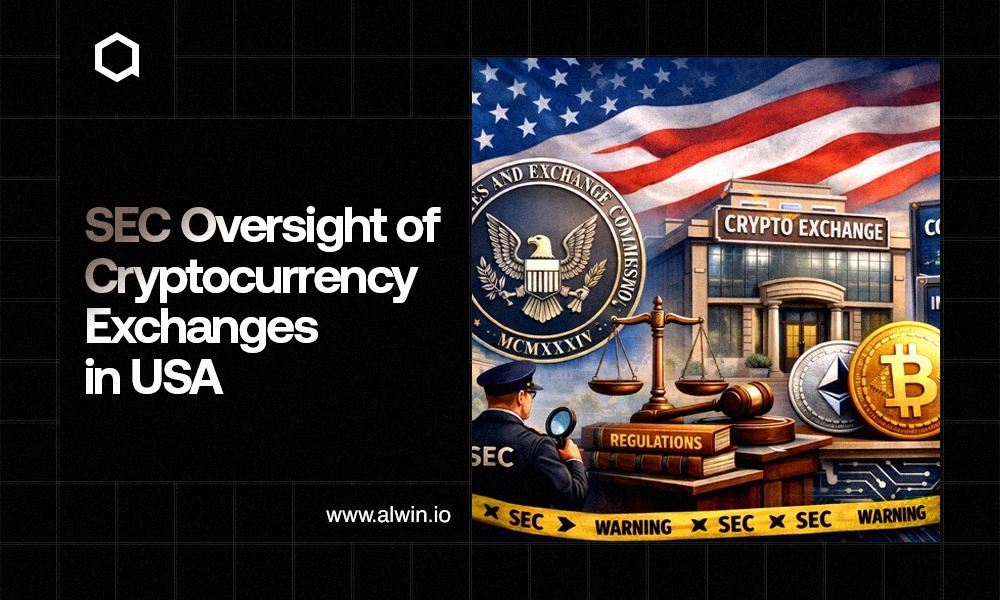
The world of cryptocurrency in United States has become stronger and more structured in recent years. If you run or use a cryptocurrency exchange, understanding how federal regulators particularly the U.S. Securities and Exchange Commission (SEC) fit into the picture is no longer optional. It's essential.
The SEC plays a central role in shaping how digital asset markets operate. Its authority stems from federal securities laws, and depending on how a digital asset is classified, an exchange's legal obligations can change dramatically. The core question the SEC asks is straightforward: is this cryptocurrency a security? The answer determines everything from registration requirements to day-to-day compliance responsibilities.
This guide is designed to make that regulatory market approachable. Whether you're an exchange operator trying to understand your obligations, an investor wanting to know your protections, or simply someone curious about how crypto regulation works in practice, this resource breaks it all down in plain language with no legal degree required. You'll learn when digital assets are treated as securities, what it means for exchanges to register with the SEC, and how compliance shapes the way these platforms do business every day.
Understanding the SEC and Its Authority
The U.S. Securities and Exchange Commission commonly known as the SEC is a federal government agency with one core mission: to protect investors, maintain balanced and orderly financial markets, and support capital formation across the United States.
Think of the SEC as the referee of the financial world. It sets the rules, watches how the game is played, and steps in when someone breaks the rules. Created in 1934 following the stock market crash of 1929, the SEC was built on the belief that everyday investors deserve transparency, honesty, and a level playing field when putting their money into financial markets.
What Does the SEC Actually Do?
The SEC carries out its mission through three core responsibilities:
1. Making and implementing Rules - The SEC writes the rules that govern how securities markets operate. When companies, exchanges, or individuals break those rules, the SEC has the authority to investigate, take legal action, and impose penalties.
2. Requiring Transparency - Companies that offer securities to the public must disclose honest, accurate information about their finances and operations. This gives everyday investors the facts they need to make informed decisions rather than trusting on guesswork or rumors.
3. Protecting Investors - At its heart, the SEC exists to protect ordinary people from fraud, control, and misleading practices. Whether it's a traditional stock broker or a digital asset platform, anyone dealing in securities must follow SEC standards.
SEC Registration Requirements for Crypto Exchanges
If you operate a cryptocurrency exchange in the United States, simply building a platform and opening it to traders is not enough. Federal law requires exchanges that deal in digital assets classified as securities to register with the SEC. Understanding what that process looks like and what it demands from your business is one of the most important steps you can take toward operating legally and responsibly.
Why Registration Is the Starting Point?
Registration is the legal gateway to operating a compliant crypto exchange in the U.S. It is not a background formality, it is the foundation everything else is built on. Without it, your exchange has no legal standing to facilitate the trading of securities, and the consequences of operating without proper registration can be severe.
The SEC's position has been consistent: any platform that allows the buying and selling of assets that qualify as securities must meet the same baseline standards as traditional financial markets. Cryptocurrency does not get a pass simply because it is digital.
Does Your Exchange Need to Register?
Not every crypto platform falls under SEC registration requirements. The determining factor is whether the digital assets traded on your platform qualify as securities under U.S. federal law.
The SEC uses a legal framework called the Howey Test to make that determination. Under this test, an asset is considered a security if it involves all four of the following:
- An investment of money
- In a common enterprise
- With a reasonable expectation of profit
- Generated through the efforts of others
If the tokens or coins on your platform meet these conditions, your exchange is operating in SEC-regulated space and registration is a legal requirement, not a business decision you can defer.
Key SEC Rules and Regulations Crypto Exchanges Must Follow
1. Anti-Money Laundering (AML) Requirements
Money laundering, the process of disguising illegally obtained funds as legitimate income, is a serious concern in the financial world, and cryptocurrency exchanges are considered high-risk environments due to the speed and pseudonymous nature of digital transactions. This is why AML compliance sits at the top of every regulator's checklist.
2. Know Your Customer (KYC) Obligations
Closely linked to AML requirements, Know Your Customer rules require exchanges to verify the identity of every user before allowing them to trade. The purpose is simple: you cannot monitor for suspicious activity if you do not know who is using your platform.
3. Reporting and Disclosure Standards
Transparency is a cornerstone of SEC regulation. Registered exchanges are expected to maintain open, honest communication with regulators and, where applicable, with the public. This is achieved through a structured system of reporting and disclosure obligations.
4. Custody and Asset Protection Rules
Perhaps no area of crypto exchange regulation carries higher stakes than custody the safekeeping of customer assets. When users deposit digital assets on an exchange, they are trusting that platform to protect their funds. SEC rules exist to ensure that trust is not misplaced.
Conclusion
The crypto market depends on exchanges to keep trading active and secure. As the industry grows, clear regulations are becoming more important. Rules are not obstacles. They help exchanges run safely, protect users, and build long term trust. When an exchange focuses on compliance from the beginning, it creates a strong base for steady growth.
Today, regulations in the United States and other countries are changing quickly. Following the law is not only for large platforms. Every exchange must meet regulatory standards to gain user confidence, attract serious investors, and stay competitive. The exchanges that follow the rules properly today will become the industry leaders tomorrow.
Working with the right development partner makes this process easier. WeAlwin Technologies is a trusted cryptocurrency exchange development company that builds platforms with compliance in mind from day one. From local laws to global standards, the team designs exchange solutions that help reduce risk, improve credibility, and support long term business success.