Ever been amazed at how blockchain technology can help connect digital innovation with tangible assets like commodities, fine art, or real estate? RWA tokens are transforming the investment landscape. They stem from the idea of tokenizing physical assets to make them more accessible and tradable on blockchain networks.
Early in the 2020s, as blockchain technology advanced to the point where it could securely handle complex assets, the idea began to gain traction. Reportedly, billions of dollars' worth of assets have been tokenized, and the RWA token market has expanded rapidly. Millions of people worldwide use platforms that facilitate RWA transactions, demonstrating the enormous interest and potential in this field.
RWA tokens are gaining momentum in 2026, offering new ways to bring assets such as real estate, commodities, and bonds onto blockchain networks. Their potential for fractional ownership, transparency, and liquidity is creating new opportunities for investors and businesses. In this blog, we’ll explore how RWA tokenization has evolved, its key benefits, and the projects shaping the space. Let’s take a closer look at how tokenization is changing asset management.
Real-World Assets (RWA) in Crypto
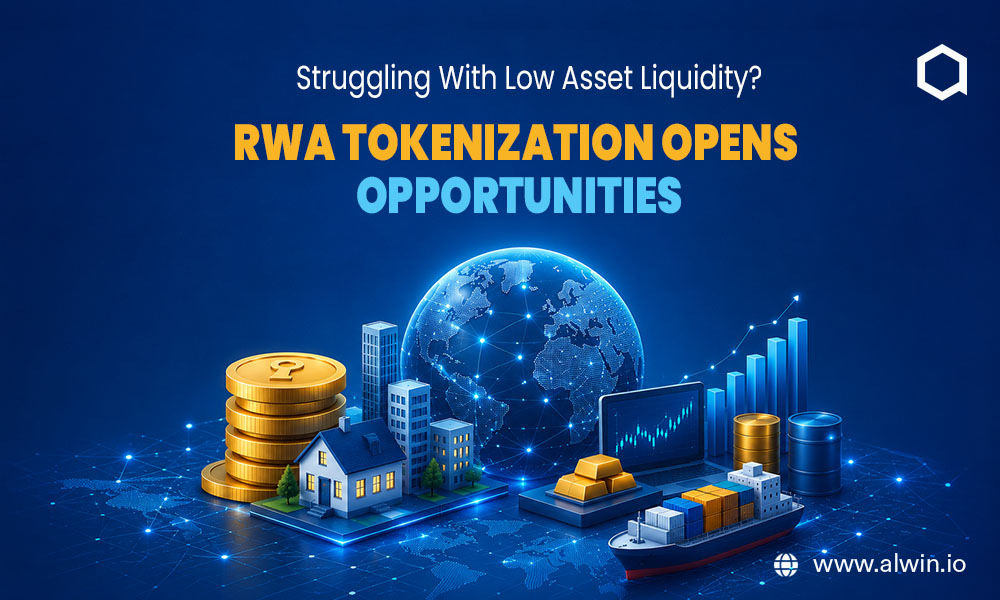
To put it simply, Real-World Assets (RWA) in cryptocurrency are tangible or physical assets that are digitally represented on a blockchain, such as company stocks, real estate, gold, or artwork. Through cryptocurrency platforms, real-world goods can be traded or invested in using these digital representations, known as tokens.
As an illustration, let's say you own a $500,000. You tokenize the property by splitting its value into 500,000 tokens, each worth $1, as an alternative to selling it the conventional manner. These tokens can then be purchased by investors, granting them a portion of the property's ownership. People can now invest in high-value assets more easily without needing to pay large upfront sums of money.
RWA tokens, which provide advantages like greater liquidity, transparency, and accessibility, bring conventional investments to the blockchain. Whether it’s a share of a Picasso painting or a small piece of farmland, RWA tokenization opens up new opportunities for everyday investors to participate in asset ownership like never before.
Why Does RWA Tokenization Matter the Most?
RWA tokenization is important because it opens up new avenues for asset ownership and investment by bridging the gap between traditional finance and the digital economy. This is why it matters so much:
Accessibility to High-Value Assets
Historically, large sums of money were needed to invest in commodities, fine art, or real estate. Tokenization makes it possible for these assets to be split up into smaller portions, allowing regular investors to own a piece of valuable goods or properties without having to pay large upfront fees.
Enhanced Liquidity
Real estate and other tangible assets are often illiquid, making them difficult to sell or convert into cash quickly. Tokenization can create new opportunities for these assets to be represented and traded digitally, potentially improving liquidity when supported by an active and compliant marketplace.
Global Investment Opportunities
RWA tokenization can expand access to investment opportunities across different markets by representing real-world assets on blockchain networks. Investors may be able to access tokenized assets in other regions, subject to applicable regulations, eligibility requirements, and KYC/AML procedures. For example, an eligible investor in Asia could potentially invest in a tokenized U.S. real estate asset through a compliant platform.
Transparency and Security
The utilization of blockchain technology ensures that all transactions are recorded on an immutable ledger, thereby reducing fraud and enhancing trust. Investors can trace the ownership history and details of an asset, providing unprecedented transparency.
Cost Efficiency
Tokenization reduces the need for intermediaries, such as brokers or agents, which significantly reduces transaction costs. This is advantageous for both asset owners and investors, rendering the entire procedure more economical.
Broader Financial Inclusion
By breaking down assets into smaller, affordable units, tokenization opens the door for people who were previously excluded from traditional investment opportunities, fostering greater financial inclusivity.
In essence, RWA tokenization matters because it transforms how we perceive and interact with assets, creating a more open, inclusive, and efficient financial ecosystem. It’s not just a trend, it’s a pivotal shift in the way value is exchanged and preserved in the modern world.
Have a Helpful read on Real World Asset Tokenization for Business.
Top RWA Crypto Projects in 2026
1. Ondo Finance — Tokenized Treasuries, Funds, Stocks, and ETFs
Ondo Finance brings traditional financial products to blockchain networks, including U.S. Treasuries, stocks, and ETFs. Its products give investors digital access to assets that have traditionally been offered through conventional financial markets.
Detailed Insight: Ondo’s broader value lies in making traditional investments more compatible with digital finance. Tokenized assets can be transferred through blockchain networks and integrated with other financial applications, creating opportunities for faster settlement and around-the-clock market access.
2. Centrifuge — RWA Tokenization and Asset Management
Centrifuge helps asset managers bring real-world assets onto blockchain networks and turn them into investable financial products. Its ecosystem covers areas such as private credit, Treasury products, and structured investments.
Detailed Insight: Centrifuge addresses the infrastructure needed to manage these assets after they are brought on-chain. Asset managers can handle issuance, investor participation, and fund operations within a connected system, making it easier to build and distribute blockchain-based investment products.
3. Tokeny — Institutional and Compliant Tokenization
Tokeny provides technology for issuing, managing, and transferring digital securities. Its platform is designed around regulatory requirements, investor eligibility, and controlled asset transfers, making it relevant to financial institutions entering the tokenization market.
Detailed Insight: Compliance is a major consideration when securities move onto blockchain networks. Tokeny uses the ERC-3643 standard to incorporate identity and transfer rules into digital securities, helping issuers maintain control over who can hold and transfer regulated assets.
4. RealT — Fractional Tokenized Real Estate
RealT enables investors to gain fractional exposure to real estate through blockchain-based ownership structures. Instead of purchasing an entire property, investors can acquire smaller interests linked to individual properties and receive income associated with those assets.
Detailed Insight: The model lowers the capital barrier traditionally associated with real estate investing. Blockchain also creates a digital ownership record and supports the distribution of property income, giving investors a more accessible way to participate in real estate.
5. Propy — Blockchain-Based Real Estate Transactions
Propy applies blockchain technology to the real estate transaction process. Its platform supports digital property transactions, blockchain-enabled closings, and related workflows designed to make buying and selling property more efficient.
Detailed Insight: Propy's approach goes beyond fractional ownership. It focuses on the transaction itself, using blockchain and smart contracts to reduce manual processes and create a more streamlined path to closing an agreement. This makes it particularly relevant to the modernization of real-estate transactions.
6. Maple Finance — Institutional Onchain Credit
Maple Finance operates primarily in institutional credit rather than traditional RWA tokenization. It connects borrowers, lenders, and asset managers through blockchain-based lending and investment products.
Detailed Insight: Maple brings institutional lending activity into digital financial markets. Professional managers oversee credit strategies while borrowers gain access to capital through blockchain-based infrastructure. This positions Maple as an important example of how real-world credit markets can connect with decentralized finance.
The Road Ahead
These RWA initiatives demonstrate how blockchain is changing our perception of and interactions with physical assets. They provide a link between traditional finance and decentralized ecosystems through accessibility, transparency, and efficiency. These projects are expected to completely change the global investment landscape by 2025.
Blockchain technology and RWA tokens are proving to be revolutionary as we move into the future of finance. They provide businesses and investors with countless opportunities by fusing the stability and tangibility of real-world assets with the security and transparency of blockchain technology. Tokenization is increasing the efficiency and accessibility of various markets, such as debt, commodities, and real estate.
There is never a better moment to investigate these options if you're prepared to take a plunge into the realm of RWAs or incorporate tokenization into your company. The secret to remaining ahead of the curve in this quickly changing industry is collaborating with professionals who comprehend blockchain technology and real-world asset integration. Without a doubt, this industry will see unparalleled growth in 2025. If you have the appropriate plans and resources, you can take the necessary steps to RWA Tokenization Development in this revolutionary change.
Looking to Tokenize Real-World Assets?
Build the infrastructure needed to bring real-world assets onto the blockchain securely and efficiently.