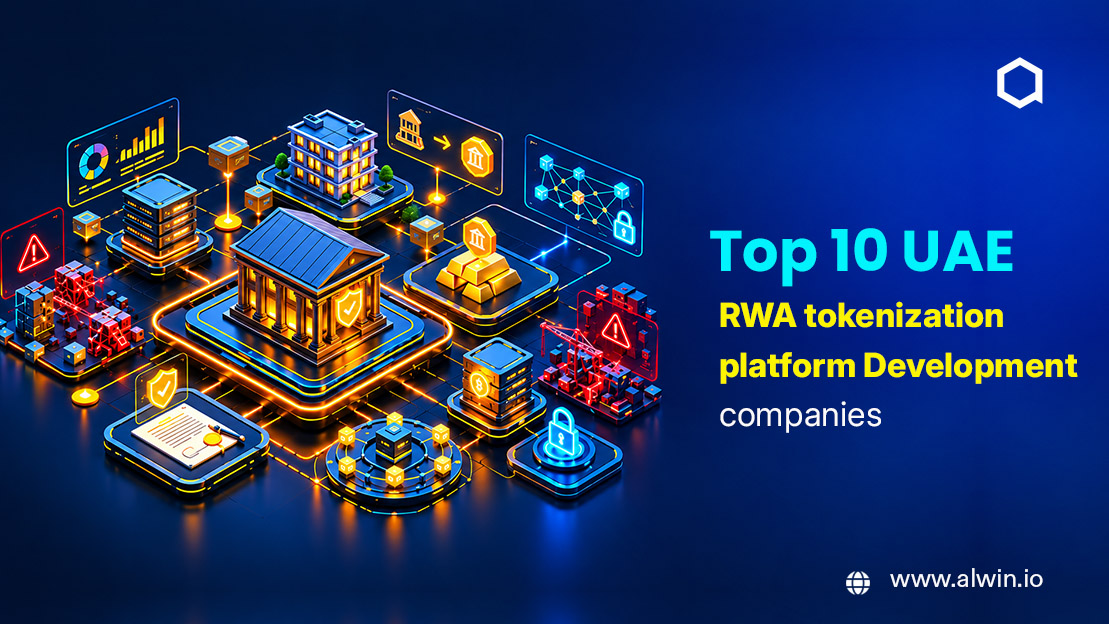
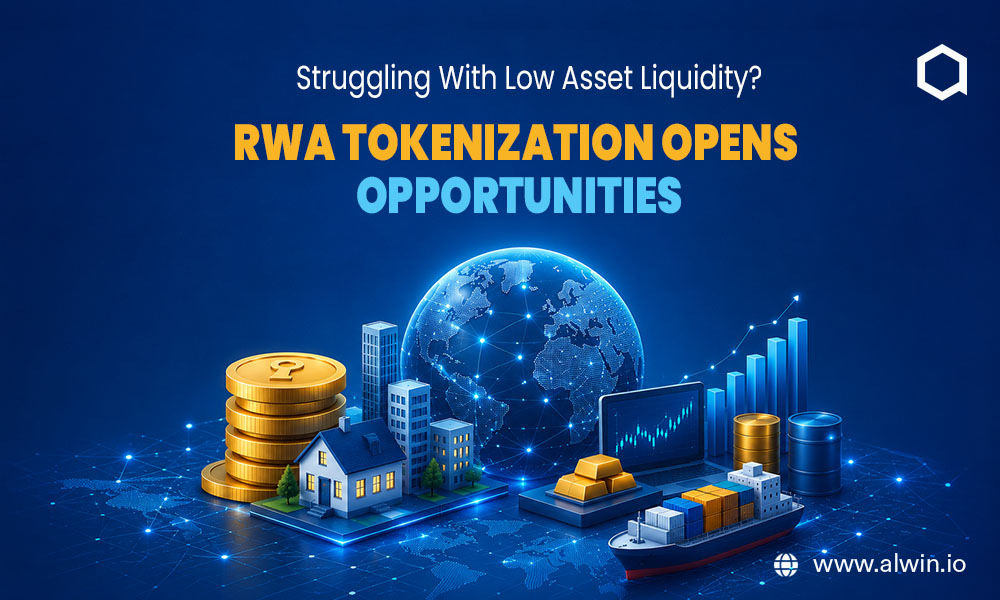
Real-world asset tokenization has quietly become one of the most talked-about shifts in the UAE's financial and tech landscape. Property, gold, private equity, and even fine art are being converted into digital tokens that can be owned, traded, and transferred with far more speed and flexibility than traditional paperwork ever allowed. With the country's regulators actively supporting digital asset innovation, more founders, investors, and asset owners are looking at tokenization not as a future trend but as something worth acting on right now. That momentum is pulling in more blockchain-based platforms built specifically to handle these kinds of assets, each aiming to make the process smoother, safer, and easier to trust.
But turning an idea into a working platform is where most people get stuck. Building something that handles ownership records, investor onboarding, compliance checks, and secure trading isn't a simple app-building exercise; it takes a team that actually understands both blockchain technology and the regulatory reality of operating in the UAE. That's why choosing the right development partner matters so much, and it's exactly what this guide is here to help with. Ahead, we'll walk through what a capable partner should offer, how to evaluate one properly, and which companies in the UAE are currently leading the space.
Why the UAE Is Becoming a Global Hub for Asset Tokenization?
The UAE didn't become a tokenization hub by accident; it built the conditions for it. Clear digital asset regulations from Abu Dhabi and Dubai give founders legal certainty most markets still lack, while a growing base of blockchain infrastructure and fintech-friendly free zones makes launching far less risky. That groundwork is already reshaping regional finance: assets once locked away, like property, commodities, and private equity, are becoming digital tokens that can move, split, and trade in ways paperwork never allowed.
For startups and asset owners, this opens real opportunities. Founders no longer need deep banking ties to attract investors, just a solid, compliant platform. Asset owners get a genuine way to unlock value from illiquid holdings without giving up ownership. Clear rules, real infrastructure, and real access to capital are why tokenization ideas are actually getting built in the UAE, not just discussed.
What to Expect From a Tokenization Development Partner?
A Trustable Real World Asset tokenization development Company should offer more than basic blockchain development. The right team should understand your asset, business model, target users, compliance needs, and long-term platform goals. From planning the tokenization model to launching the platform, the development partner should help connect the business, technology, and user experience into one practical solution.
Asset tokenization strategy is the first step. A good development partner helps you decide which assets to tokenize, how ownership will work, who can invest, and how everything will be managed. This planning makes sure the project is practical and fits both business needs and legal rules.
Smart contract development is also very important. Smart contracts handle key actions like creating tokens, transferring them, and recording ownership. They must be built carefully and tested well because any mistake can affect the whole system.
Token issuance and management means setting up a proper system to create and control tokens. This includes deciding supply, tracking holders, managing transfers, and handling the full lifecycle of the token. It helps asset owners stay in control.
Investor and user platform development focuses on the user experience. Investors should be able to sign up easily, complete verification, view assets, invest, and track their holdings through a simple dashboard. A clean interface makes the platform easy to use for everyone.
Wallet integration allows users to store and manage their digital tokens safely. Depending on the platform, users can connect external wallets or use built-in wallets. Security and blockchain compatibility are very important here.
KYC and compliance support is required for platforms that deal with real investors or regulated assets. This includes identity checks, AML screening, eligibility rules, and transaction monitoring. It helps keep the platform safe and legally compliant.
Blockchain integration connects the platform to the chosen blockchain network. The selection depends on speed, cost, security, and project needs. A good partner helps choose the right blockchain instead of just picking the most popular one.
Marketplace and secondary trading features allow users to explore and trade tokenized assets when allowed by law. This can improve liquidity and user engagement, but it must follow strict compliance rules.
Top 10 RWA Tokenization Companies in the UAE
1. WeAlwin Technologies
WeAlwin Technologies is a blockchain and fintech development company that builds complete RWA tokenization platforms covering everything from asset analysis and token design to smart contracts, deployment, and ongoing support. They work across industries like real estate, finance, agriculture, and infrastructure, treating the entire process as one connected build rather than separate pieces handled by different teams. With deeper experience in blockchain development, crypto payments, and Web3 solutions, WeAlwin brings a well-rounded, dependable approach for businesses looking to tokenize real-world assets.
2. RWA Labs
RWA Labs is a UAE-based tokenization platform built specifically around the region's regulatory landscape, combining legal expertise, blockchain engineering, and capital strategy under one roof. Rather than just handling the technical build, they guide projects from early legal structuring through to full market launch, drawing on hands-on knowledge of UAE crypto law. For founders who want a partner that understands both the tech and the local rulebook, this dual focus is their biggest strength.
3. Suffescom Solutions
Suffescom Solutions is a blockchain and mobile app development company with over a decade of experience, having delivered 200+ blockchain projects across markets including the UAE. Their RWA tokenization work spans real estate, gold, and luxury assets, with a white-label platform option that helps businesses launch faster instead of building everything from the ground up. Strong client ratings and a large project portfolio back their reputation as a dependable, full-service partner.
4. INORU
INORU is a blockchain development firm known for Web3 applications, tokenization platforms, and decentralized finance solutions. They handle the complete lifecycle of a digital asset project development, deployment, maintenance, and scaling which makes them a practical option for businesses that want one team managing the platform long after launch rather than handing it off elsewhere.
5. Antier Solutions
Antier Solutions specializes in enterprise-grade Web3 and digital asset development, with particular strength in DeFi platforms and asset tokenization. Their focus on building secure, compliant financial blockchain applications has made them a go-to partner for both startups and larger global enterprises that need their platform to hold up under regulatory scrutiny.
6. NeosLegal
NeosLegal isn't a platform developer, it's the UAE's first crypto-native law firm, and it plays a different but essential role in this space. Founded in 2016, they've structured hundreds of Web3 projects and advise on licensing across every major UAE regulator, including RWA tokenization structuring specifically. For founders building a platform with any of the technical partners on this list, NeosLegal is often the firm making sure that platform is actually legal to operate.
7. Quest GLT
Quest GLT positions itself as a dedicated RWA tokenization development company, offering asset digitization, smart contract functionality, and built-in compliance tools like KYC and AML. Their platform also includes marketplace access and custody support, aiming to give clients a fairly complete package rather than just the core tokenization layer.
8. Octal IT Solution
Octal IT Solution is a global IT company operating since 2007, with ISO and CMMI Level 3 certifications backing their development process. Their RWA tokenization work leans heavily into real estate converting property ownership into compliant security tokens with investor whitelisting and their published pricing gives founders a clearer starting point for budgeting.
9. RedDuck
RedDuck is a Ukraine-based full-cycle Web3 and fintech development company that's been active since 2019, with a track record across 50+ blockchain projects. Their RWA tokenization services cover real estate, commodities, and financial instruments, built on a range of chains including Ethereum, Solana, and Hedera. They're also active in the Dubai crypto scene, which gives them some direct exposure to the UAE market despite being headquartered elsewhere.
10. SoluLab
SoluLab is a US-based AI and blockchain development company with offices in the USA, UAE, and India, backed by over a decade of experience and 1,500+ delivered projects. They've built a white-label AI-powered RWA tokenization engine designed to cut typical development timelines down dramatically, aimed at asset managers and firms handling real estate, private credit, and similar asset classes. Their AI-plus-blockchain combination is what sets them apart from more traditional development shops on this list.
Which RWA Assets Are Most Popular for Tokenization in the UAE?
Real estate, gold, and private credit lead the way these three currently account for most tokenization activity in the UAE, with government-backed real estate programs giving the sector extra momentum.
Real estate is the clearest example of where this is heading. Dubai's Land Department has already moved past the pilot stage, opening resale on millions of tokenized property units and settling everything in dirhams rather than crypto, a deliberate choice that makes the whole system feel familiar to everyday investors rather than speculative. The flagship real estate tokenization pilot is denominated in UAE dirhams, not cryptocurrency, which removes the volatility concerns that could scare off mainstream investors and regulators alike.
Gold holds a natural place here too, given Abu Dhabi and Dubai's long-standing role as global gold trading hubs tokenized gold lets that existing trust translate directly into a digital format. Private credit and treasury-backed instruments are gaining ground fast as well, appealing mostly to institutional investors chasing steady, on-chain yield. Beyond these three, commodities, private equity, and high-value collectibles like art or luxury vehicles are starting to see interest, though at a smaller scale for now.
The common thread: assets that were already trusted and well-understood in the UAE are the ones moving on-chain. First tokenization is proving itself as an upgrade to trust that already exists, not a replacement for it.
What Does Tokenization Platform Development Cost in the UAE?
A basic RWA tokenization platform in the UAE typically runs $20,000 to $50,000, a custom-built platform lands between $50,000 and $180,000, and a full enterprise-grade build ranges from roughly $150,000 up to $350,000 or more the difference coming down to how much gets built from scratch versus how many features and integrations the platform needs to support.
A basic platform covers the essentials: core features required to tokenize assets and onboard investors, such as user registration, asset listing, token creation, wallet integration, and an admin dashboard. This tier suits founders testing a single asset type or launching a straightforward pilot.
A custom-built platform adds the layers that make a platform investor-ready and jurisdiction-compliant KYC and AML verification, investor dashboards, payment gateway integration, document management, notifications, and reporting. This is where most serious UAE projects land, since local compliance requirements rarely fit a bare-bones build.
An enterprise-grade platform is built for organizations tokenizing across multiple asset types at once, not just one. At this level, the platform typically includes granular permission controls for different user roles, in-depth reporting and analytics tools, connections into a company's existing software systems, built-in support for multiple regulatory regions, and the flexibility to support several languages and custom operational workflows. This tier fits institutions or large asset owners planning to run several tokenized asset lines under one system.
How to Choose the Right Development Partner?
Start by knowing your own project, your asset type and business model shape almost everything else, since a real estate platform and a gold-backed token don't need the same kind of partner.
From there, check what's actually verifiable. Ask which blockchain networks they've worked with and why. Look at real, working platforms they've built, not just a portfolio deck. Make sure they can speak clearly about KYC, AML, and UAE licensing, not just say "we're compliant."
Also check how customizable their platform really is, since a templated build tends to break once your needs get specific. And ask directly about their security audits; this isn't a detail to skip, given how much value moves through these platforms.
Final Thoughts
There's no single "best" RWA tokenization company, there's only the best fit for your asset and your stage. A real estate developer, a gold trader, and a private equity fund all need different things from a platform, so the right choice starts with matching a partner to what you're actually building, not chasing whoever has the flashiest portfolio.
Beyond that, four things matter more than anything else: solid technology, strong security, real compliance knowledge, and the ability to scale as your platform grows. A partner who checks these boxes gives you something to build on, not just something to launch once.
And launch day isn't the finish line. The platforms that hold up long-term are the ones backed by partners who stay involved after deployment fixing issues, adapting to new regulations, and helping the platform grow alongside the business. This is exactly why the choice of a blockchain development service matters as much as the technology itself. The team behind the platform is what determines whether it still works for you a year from now.
If you're a founder, startup, investor, or asset owner ready to move from idea to execution, WeAlwin brings that full picture together with the technical depth, the compliance awareness, and the long-term support to help your tokenization project go from concept to a platform people actually trust.