Have you ever noticed how people are constantly making predictions?
Will Bitcoin reach a new high this year?
Will a blockbuster movie break box office records?
Will a sports team win the championship?
Will interest rates rise or fall?
Every day, millions of people discuss these questions on social media, news platforms, forums, and messaging apps. But what if those opinions could become a market of their own?
That's exactly what's happening.
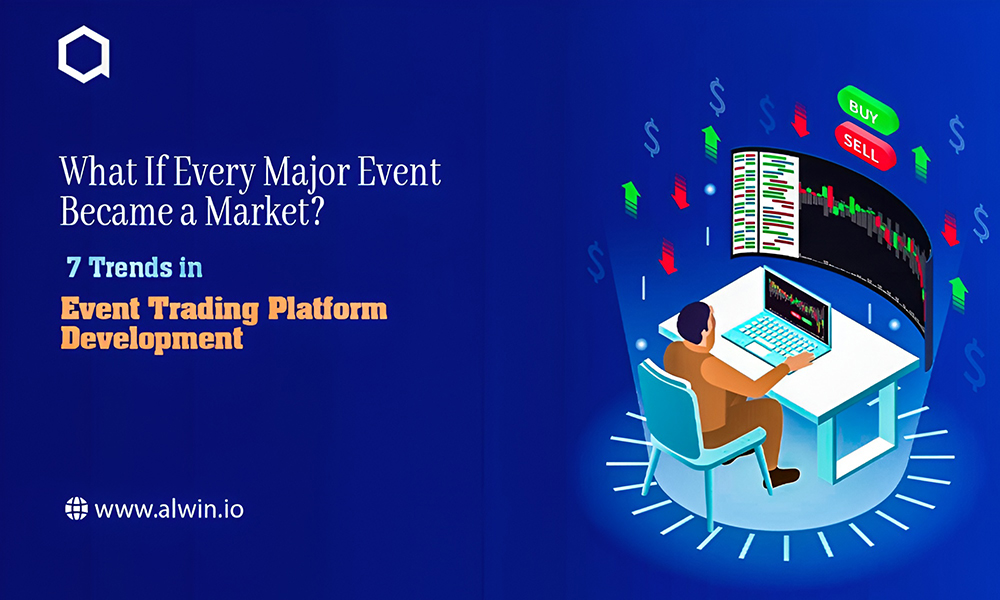
A new generation of Event Trading Platforms is transforming real-world events into tradable opportunities. Instead of simply watching outcomes unfold, users can participate in markets built around sports, financial trends, entertainment, technology, business events, and much more.
And the growth is impossible to ignore.
What started as a niche concept has evolved into one of the most talked-about innovations in digital finance and forecasting. Investors, traders, analysts, and everyday users are increasingly turning to event-based markets to gain insights, express opinions, and capitalize on future outcomes.
But here's the interesting part:
Imagine a platform where thousands of participants are continuously evaluating future events. Every trade reflects an expectation. Every market movement reveals sentiment. Every prediction contributes to a larger picture of what people believe will happen next.
So why are event trading platforms gaining so much attention?
What technologies are driving their growth?
And which emerging trends are transforming everyday events into billion-dollar market opportunities?
Let's explore the 7 key trends shaping Event Trading Platform Development and discover why the future of trading may be built around the events happening all around us.
What Is Event Trading Platform Development?
Let's start with something we do almost every day.
Have you ever had a conversation like this?
"Will it rain tomorrow?"
"Will my favorite team win the match this weekend?"
"Will the new iPhone sell more than the previous model?"
Every day, people make predictions about future events based on news, trends, experience, and personal insights.
Now imagine if people could trade on those predictions.
That's exactly what an Event Trading Platform enables.
A Simple Day-to-Day Example
Imagine there's a major cricket match between India and Australia.
On an Event Trading Platform, users can choose:
Yes – India will win
No – India will not win
As more users participate, the market price changes based on what the crowd believes is most likely to happen.
When the match ends, users who predicted correctly receive rewards based on the platform's rules.
It's similar to how stock markets reflect investor sentiment, except here the asset being traded is the outcome of an event.
So, What Is Event Trading Platform Development?
Event Trading Platform Development is the process of building a digital platform where users can trade, predict, and participate in real-world events across various categories.
These events can include:
- Sports outcomes
- Election results
- Financial market movements
- Cryptocurrency prices
- Economic indicators
- Entertainment events
- Weather forecasts
- Business and technology trends
Users buy positions based on what they believe will happen, and the market collectively determines the probability of each outcome.
AI-Powered Forecasting Is Making Event Markets Smarter
The first generation of prediction markets relied entirely on participant activity to determine event probabilities. While this model remains effective, the next generation of Event Trading Platform Development is being powered by Artificial Intelligence.
Modern AI systems can analyze:
- Historical event outcomes
- Trading patterns
- Economic indicators
- Social media sentiment
- News and media coverage
- Macroeconomic trends
- User behavior data
For example, consider an event market predicting whether the Federal Reserve will cut interest rates within the next quarter.
Instead of relying solely on trader opinions, AI models can continuously evaluate inflation reports, employment data, bond market movements, and historical central bank decisions to generate probability insights.
This creates a hybrid forecasting model where human intelligence and machine intelligence work together.
In the future, AI-powered event markets may provide:
- Probability confidence scores
- Risk assessments
- Predictive trend analysis
- Market anomaly detection
- Personalized forecasting dashboards
As forecasting accuracy becomes a competitive advantage, AI is expected to become a foundational component of every major event trading platform.
Real-World Asset (RWA) Markets are Entering Event Trading
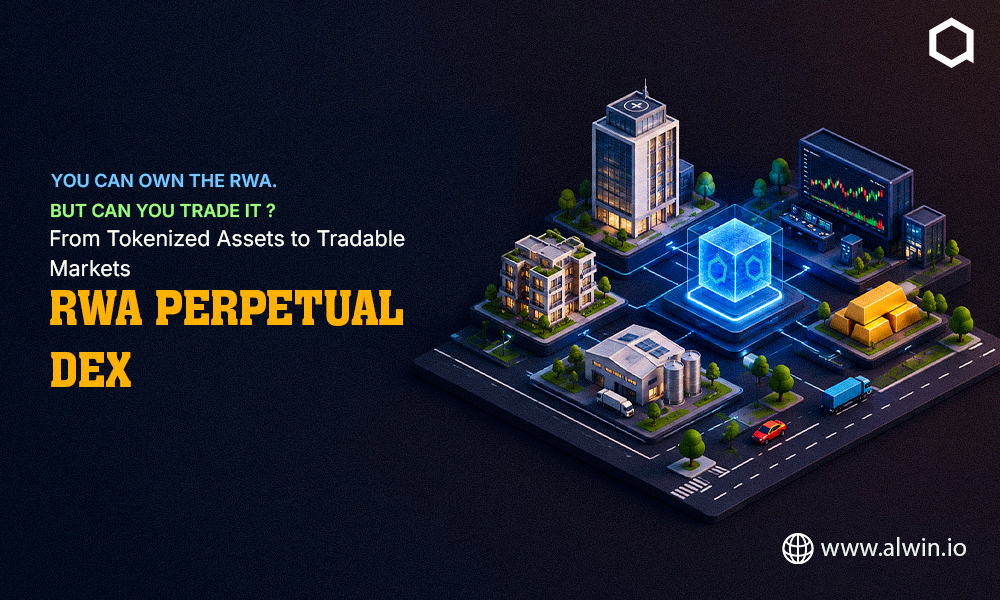
One of the most exciting developments in digital finance is the convergence of Real World Asset Tokenization Development and prediction markets.
Today, billions of dollars worth of assets are being tokenized, including:
- Commercial real estate
- Treasury bonds
- Private credit funds
- Gold and silver reserves
- Energy assets
- Infrastructure projects
- Carbon credits
However, investors don't just want ownership.
They want visibility into future performance.
This is where the concept of an RWA Prediction Market emerges.
Imagine a tokenized office building in London.
Investors could participate in markets forecasting:
- Will occupancy exceed 90% next year?
- Will rental revenue increase by 15%?
- Will the property appreciate in value?
- Will interest rates impact demand?
Similarly, a tokenized solar energy project could host event markets around:
- Annual energy production
- Revenue targets
- Regulatory approvals
- Carbon credit generation
By combining ownership and forecasting, platforms can create entirely new layers of market intelligence.
Instead of simply investing in an asset, users gain insight into what the market collectively expects that asset to achieve.

Sports and Entertainment Events are Becoming Tradeable Assets
Sports and entertainment continue to dominate user engagement within event markets because they naturally generate massive global audiences and clearly measurable outcomes.
Consider some common event markets:
Sports Markets
- Will Manchester City win the Premier League?
- Will India win the Cricket World Cup?
- Will a player score more than 30 goals this season?
- Will a team qualify for the playoffs?
Entertainment Markets
- Will a movie surpass $1 billion in global revenue?
- Which artist will win Album of the Year?
- Will a streaming series reach 100 million viewers?
These markets attract millions of participants because they combine entertainment with real-time forecasting.
The technical infrastructure behind these markets often includes:
- Live data feeds
- Odds engines
- Automated settlement systems
- AI-generated probability models
- Real-time market analytics
As sports betting, fan engagement, and digital entertainment continue evolving, event trading platforms are increasingly positioning themselves as the next generation of interactive audience participation.
Blockchain Is Creating Transparent Event Trading Ecosystems
One of the biggest challenges in traditional event markets is trust.
Participants need confidence that:
- Market rules cannot be changed.
- Results cannot be manipulated.
- Settlements are executed fairly.
- Trading records remain transparent.
Blockchain technology solves these challenges by creating immutable and auditable records.
Every transaction, position update, and settlement can be verified independently.
Smart contracts can automatically:
- Create event markets
- Manage liquidity pools
- Execute settlements
- Distribute rewards
Handle dispute resolution mechanisms
For example, if an event asks:
"Will Bitcoin exceed $250,000 before January 2028?"
A smart contract can automatically retrieve verified market data and settle positions immediately after the outcome becomes known.
This reduces operational overhead while increasing trust and transparency across the platform.
Institutional Investors are Entering Prediction Markets
Prediction markets are increasingly moving beyond retail participation.
Institutional investors are beginning to recognize them as powerful forecasting mechanisms.
Why?
Because prediction markets aggregate information from thousands of participants who have financial incentives to be accurate.
Unlike surveys, polls, or analyst reports, prediction markets continuously update as new information becomes available.
Potential institutional applications include:
Asset Management
Forecasting market movements and portfolio performance.
Risk Management
Evaluating geopolitical, economic, and regulatory risks.
Corporate Strategy
Predicting product launches, adoption rates, and industry shifts.
Economic Forecasting
Monitoring inflation expectations, interest rates, and employment trends.
For institutions managing billions of dollars in assets, real-time forecasting data can become a valuable competitive advantage.
Tokenized Events and On-Chain Settlements
The tokenization of event positions represents a major evolution in market design.
Instead of simply placing a prediction, users can hold tokenized representations of outcomes.
For example:
Event:
Will Ethereum exceed $10,000 by 2028?
The market creates:
YES Tokens
NO Tokens
As market sentiment changes, these tokens fluctuate in value and can be traded before the event concludes.
This approach introduces:
- Secondary market trading
- Increased liquidity
- Price discovery mechanisms
- Portfolio diversification opportunities
When combined with blockchain infrastructure, settlements become:
- Automated
- Transparent
- Near-instant
- Cost-efficient
The result is a more scalable and globally accessible trading ecosystem.
The Rise of Global Prediction Economies
Perhaps the most transformative trend is the emergence of a global prediction economy.
Today, information is everywhere.
The challenge is determining which information is accurate.
Prediction markets create a mechanism for measuring confidence in future outcomes through financial incentives.
Imagine a future where prediction markets exist for:
Finance
Interest rates, inflation, stock indices, commodities.
Real Estate
Property prices, rental demand, market performance.
Energy
Oil prices, renewable energy adoption, power consumption.
Technology
AI adoption, product launches, market penetration.
Healthcare
Drug approvals, clinical trial outcomes, healthcare trends.
Infrastructure
Project completion timelines, revenue generation, utilization rates.
This vision becomes even more powerful when integrated with RWA Prediction Markets.
As trillions of dollars worth of real-world assets move on-chain, prediction markets can become the intelligence layer that helps investors, institutions, and businesses make smarter decisions.
The future may not belong solely to platforms that tokenize assets.
It may belong to platforms that can answer the question:
"What is likely to happen next?"
And that is precisely where event trading, AI, blockchain, and real-world asset tokenization are beginning to converge.
Final Perspective
Event Trading Platforms are no longer just marketplaces for forecasting outcomes. They are evolving into sophisticated financial intelligence ecosystems powered by AI, blockchain infrastructure, tokenized assets, and collective market intelligence.
From sports and entertainment to finance, energy, real estate, and RWA Prediction Markets, the ability to transform real-world events into tradable markets is creating an entirely new category of digital economy, one where information itself becomes an asset.