How are the Latest Tata EV Cars Creating New EV Charging Business Opportunities in 2026?

Prev 74 Views
Total Words 1047 Total Words
Reading Time 6 mins read

Have Questions or Doubts?

share Share
                  
new-ev-charging-business-opportunities-in-2026

Electric vehicles are becoming a common sight on Indian roads. With more manufacturers expanding their EV lineup and customers showing greater interest in electric mobility, the need for charging infrastructure continues to rise. Among all automakers, Tata Motors has played a major role in making electric vehicles accessible across different price segments.

As Tata introduces new electric models and expands its portfolio, entrepreneurs have a timely opportunity to invest in an EV charging business. Whether you own commercial property, operate a fuel station, manage a fleet, or plan to enter the EV sector, charging infrastructure offers a business model that supports the growing number of electric vehicles.

Tata Motors and the Growing Shift Toward Electric Mobility

Tata Motors continues to expand its electric vehicle presence, contributing to the wider shift from conventional petrol and diesel vehicles toward electric mobility. At the same time, other automobile manufacturers are also introducing EVs across different vehicle categories and use cases.

Electric vehicles are no longer limited to regular city commuting. They are increasingly being considered for highways, tourism, commercial transportation, resorts, and other travel routes. This broader adoption is creating a continuous need for accessible charging infrastructure.

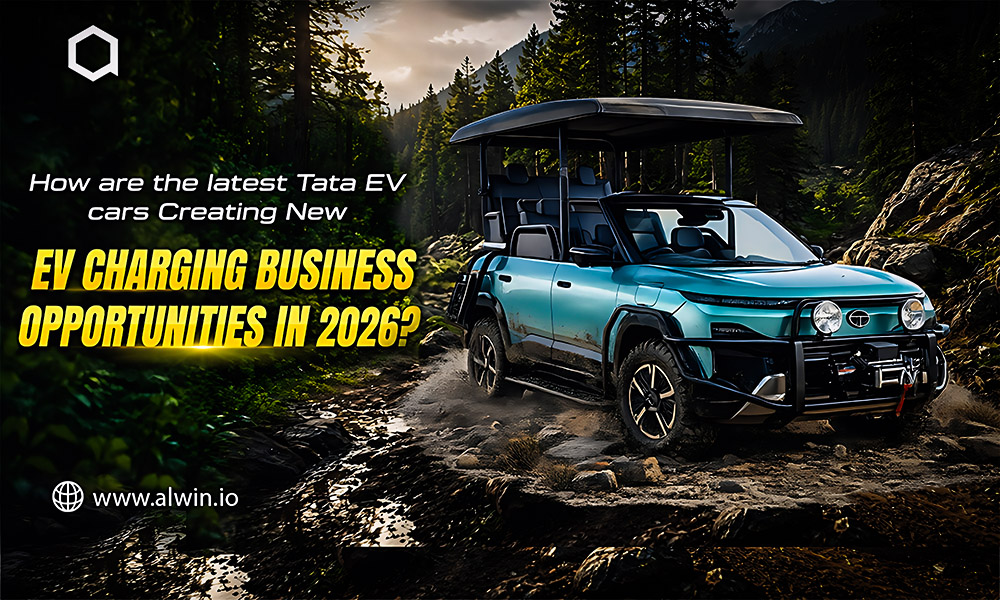
The shift is also reaching areas such as forest tourism and safari operations, where electric vehicles can support quieter and cleaner transportation. As more EVs are introduced for different purposes, charging requirements are also emerging in locations beyond traditional city roads.

This means EV charging infrastructure is becoming an important part of the overall EV ecosystem. Charging stations may be required at:

  • Cities and residential areas
  • Highways and travel routes
  • Hotels and resorts
  • Tourist destinations
  • Forest and safari facilities
  • Shopping and commercial areas
  • Offices and IT parks
  • Fleet operating locations
  • Public parking facilities

As the number of electric vehicles continues to increase, businesses need charging facilities that can support different types of users and vehicles.

This growing demand is also creating opportunities for EV charging platforms. Businesses can use charging management software to monitor stations, manage users, process payments, track charging sessions, and operate multiple charging locations from a centralized system.

The transition from conventional vehicles to EVs is therefore not limited to the automobile industry. It is also creating demand for charging stations, charging networks, software platforms, and supporting services across different sectors.

As electric mobility continues to expand into new locations and applications, the need for reliable and accessible charging infrastructure is expected to continue growing.

EV Adoption Continues to Expand Across Different Uses

Electric vehicles are becoming suitable for a wider range of transportation needs. They are being used not only for daily commuting but also for business travel, commercial transportation, tourism, fleet operations, and long-distance journeys.

As EV adoption increases across these different use cases, the need for charging infrastructure also continues to grow. Businesses, fleet operators, hotels, resorts, and commercial property owners can add charging facilities based on the requirements of their customers and vehicles.

Common EV use cases include:

  • Daily commuting
  • Business transportation
  • Ride-sharing and taxi services
  • Delivery and logistics
  • Tourism and travel
  • Fleet operations
  • Highway transportation
  • Resort and safari transportation

The expansion of EV usage across these sectors creates opportunities for public charging stations, private charging facilities, fleet charging hubs, and EV charging platforms.

Why Every New EV Creates Charging Demand?

Unlike conventional fuel stations that complete refueling within minutes, electric vehicles spend more time connected to chargers. As EV ownership grows, charging stations become an essential part of daily transportation.

Public charging is particularly important for:

  • Apartment residents
  • Office commuters
  • Taxi operators
  • Delivery services
  • Fleet companies
  • Highway travelers

Every additional EV Charging Business sold contributes to future charging demand.

How an EV Charging Business Generates Multiple Revenue Streams?

An EV charging business supports the growing electric mobility market while creating recurring revenue opportunities.

Charging station operators can earn income through:

  • Vehicle charging fees
  • Monthly subscriptions
  • Fleet charging contracts
  • Parking services
  • Advertising displays
  • Retail partnerships
  • Food and beverage sales

Businesses such as hotels, shopping malls, and restaurants often benefit because customers spend more time at the property while charging their vehicles.

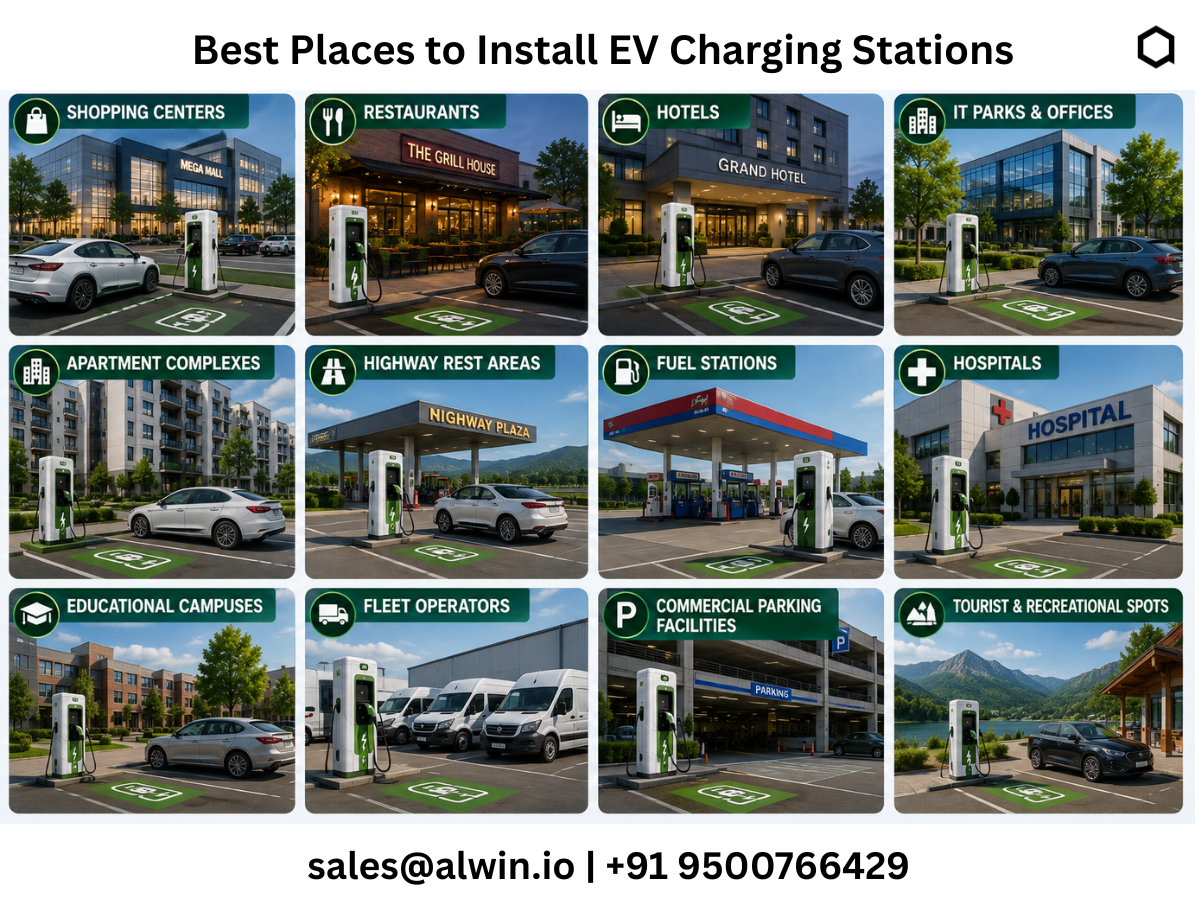
Best Places to Install EV Charging Stations

Selecting the right location helps increase charger usage throughout the day.

Popular installation locations include:

  • Shopping centers
  • IT parks
  • Hotels
  • Restaurants
  • Hospitals
  • Educational campuses
  • Apartment complexes
  • Highway rest areas
  • Fuel stations
  • Commercial parking facilities

Locations with consistent vehicle traffic generally provide better business potential.

Choosing the Right Charging Equipment

Charging stations usually include either AC chargers, DC fast chargers, or a combination of both.

AC Chargers Suitable for:

  • Residential communities
  • Hotels
  • Offices
  • Employee parking
  • Long-duration parking
  • DC Fast Chargers
  • Suitable for:

Public charging stations

  • Highway corridors
  • Fleet operators
  • Commercial charging hubs
  • High-traffic business locations

Providing multiple charging options helps serve different customer needs.

Essential Software Features for EV Charging Stations

Modern charging stations depend on software platforms that simplify operations.

Common features include:

  • Charger monitoring
  • Mobile app integration
  • QR code payments
  • Online booking
  • Usage reports
  • Remote maintenance
  • User management
  • Fleet charging support
  • Dynamic pricing
  • Energy monitoring

These features simplify daily management while offering a convenient experience for EV owners.

Who Can Start an EV Charging Business?

Many industries can enter the EV charging business, including:

  • Retail stores
  • Restaurants
  • Hotels
  • Fuel stations
  • Fleet operators
  • Commercial property owners
  • Apartment developers
  • Parking operators
  • Hospitals
  • Educational institutions

Charging stations also help attract visitors who may use other services while waiting for their vehicle to charge.

The Future of the EV Charging Business

India's EV market continues to expand as manufacturers introduce more electric vehicles across different categories. Tata Motors remains one of the leading contributors to this growth with its expanding lineup of electric SUVs, hatchbacks, and sedans.

As more EVs reach Indian roads, charging infrastructure will become an essential part of everyday transportation. Businesses that establish charging stations today can serve the increasing demand from private owners, commercial fleets, and public users.

Conclusion

The latest Tata EV cars reflect the growing shift toward electric mobility in India. From compact city cars to premium electric SUVs, Tata Motors continues to introduce vehicles that meet different customer needs.

This expansion creates strong opportunities for entrepreneurs interested in the EV charging business. Whether installed at a shopping mall, hotel, office campus, highway, or residential community, charging stations provide a service that supports the next phase of India's transportation sector while creating long-term business potential.

Latest Blogs