The financial sector is undergoing a major transformation, and real-world asset tokenization is at the center of this evolution. By converting physical assets like real estate, commodities, and equities into blockchain-based digital tokens, this technology is redefining how people invest, trade, and manage ownership. What once required large capital, complex legal procedures, and long waiting periods can now be accessed with just a fraction of the investment.
In the past, investing in high-value assets such as real estate was limited to wealthy individuals or large institutions. Today, with the rise of blockchain and decentralized finance, investors can participate in these markets with significantly lower capital. This shift is not only democratizing investment opportunities but also unlocking liquidity in traditionally illiquid assets.
Real asset tokenization is expected to significantly improve liquidity, transparency, and global participation. As blockchain adoption continues to grow, businesses and investors are exploring new opportunities through real-world asset tokenization platform development, enabling faster transactions, reduced costs, and cross-border investments.
What is Real Estate Tokenization?
Real estate tokenization is the process of converting property ownership rights into digital tokens using blockchain technology. These tokens represent a share or fractional interest in a real estate asset. Investors can purchase these tokens and gain ownership rights based on the number of tokens they hold.
For example, if a property is worth ₹10 crore, the asset can be divided into 10,000 digital tokens. Each token may represent a small portion of the property. Investors can buy one or more tokens depending on their budget. Ownership information and transactions are stored securely on a blockchain network, providing transparency and preventing fraud. Tokenization makes it easier for investors to participate in the real estate market without needing large amounts of capital.
Statistics & Market Report
How Real World Asset Tokenization Works?
Real-world asset tokenization converts physical assets into digital tokens on a blockchain, making ownership more accessible, transparent, and efficient.
1. Asset Selection
A real-world asset like real estate, gold, or art is chosen based on value and ownership clarity.
2. Legal Structuring
Ownership rights are defined and aligned with regulations for compliance and investor protection.
3. Token Creation
The asset is divided into digital tokens, enabling fractional ownership for investors.
4. Smart Contract Deployment
Smart contracts automate transactions, ownership transfers, and revenue distribution.
5. Listing & Trading
Tokens are listed on platforms where investors can buy, sell, or trade easily.
6. Revenue Distribution
Profits such as rent or dividends are automatically shared with token holders.
Real Estate Tokenization Companies in the US
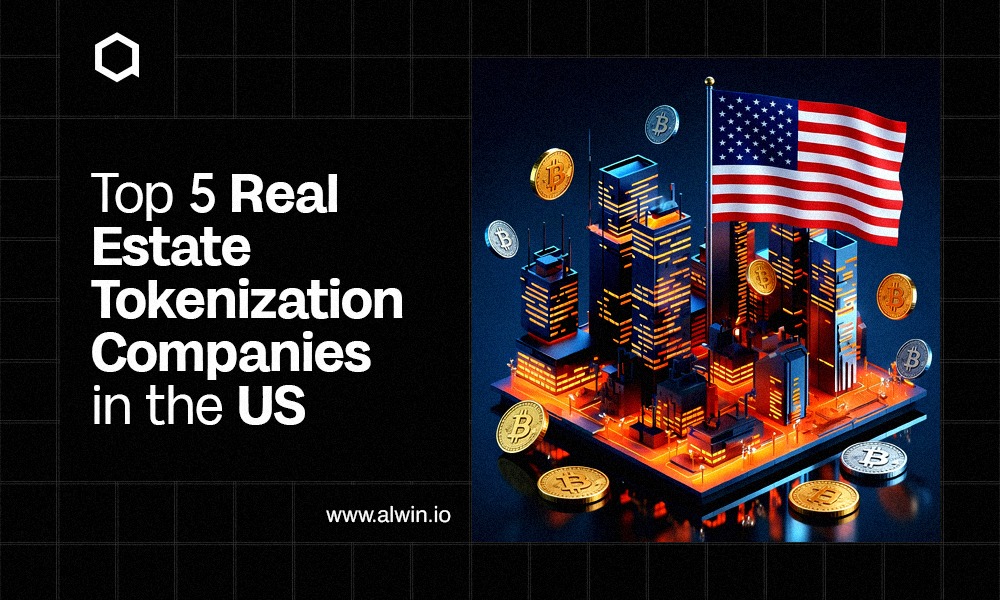
Real estate tokenization is gaining momentum in the US as businesses explore blockchain-based investment models. Several blockchain development companies are now offering advanced solutions that allow property assets to be converted into digital tokens. These companies help real estate firms, investors, and startups build platforms that support fractional ownership, secure transactions, and global investment opportunities.
1. WeAlwin Technologies
WeAlwin Technologies provides advanced real estate tokenization solutions, helping businesses digitize assets and build secure, scalable investment platforms. With strong expertise in blockchain technology, the company supports startups and enterprises in launching efficient tokenized real estate systems.
What do they offer?
- Tokenization platform development
- Smart contract development
- Asset digitization
- DeFi solutions
- Blockchain integration
2. Securitize
Securitize is a leading US-based digital asset securities platform that enables the tokenization of real-world assets, including real estate, private equity, and funds. It provides a fully compliant framework for issuing and managing blockchain-based securities.
What They Offer?
- End-to-end asset tokenization platform
- Compliance and regulatory support (SEC-registered)
- Digital securities issuance and management
- Investor onboarding and asset lifecycle management
3. Harbor
Harbor is known for providing compliant digital securities and real asset tokenization solutions. The company emphasizes regulatory compliance and secure infrastructure, making it a reliable choice for businesses entering the tokenized asset space.
What They Offer?
- Asset tokenization
- Compliance management
- Digital securities issuance
- Blockchain infrastructure
4. Suffescom Solutions
Suffescom offers blockchain-based platforms designed to digitize real estate assets and improve investment accessibility. Their solutions focus on transparency, efficiency, and secure transactions.
What They Offer?
- Tokenized investment platforms
- Smart contract development
- Crypto exchange solutions
- NFT marketplace development
5. Maticz
Maticz provides comprehensive blockchain solutions for asset tokenization and digital investment platforms. Their services help businesses create secure systems that support fractional ownership and efficient asset management.
What They Offer?
- Tokenization platforms
- DeFi solutions
- Asset management systems
- Blockchain consulting
Key Features of Real Estate Tokenization
Real estate tokenization simplifies property investment by making it more accessible, transparent, efficient, and investor-friendly across global markets.
1. Fractional Ownership
Allows investors to buy small shares of a property instead of purchasing the entire asset, making high-value investments more affordable.
2. Blockchain Transparency
All transactions are securely recorded on the blockchain trust, immutability, and easy verification of ownership.
3. Global Accessibility
Enables investors from anywhere in the world to participate in real estate markets without geographical barriers.
4. Smart Contract Automation
Automates key processes such as payments, ownership transfers, and profit distribution, reducing manual work and errors.
5. Improved Liquidity
Makes it easier to buy and sell property shares quickly through digital platforms, unlike traditional real estate.
6. Faster Transactions
Speeds up the entire investment process by reducing paperwork and eliminating intermediaries.
Technology Stack for RWA Tokenization Platform Development
Building a reliable real-world asset tokenization platform requires a strong technology stack for high performance, security, and a user experience.
- Blockchain Layer: Technologies like Ethereum, Binance Smart Chain, and Polygon form the core of the platform by enabling secure, transparent, and tamper-proof transactions.
- Smart Contracts: Developed using Solidity or Rust, smart contracts automate key processes such as token creation, ownership transfers, compliance checks, and revenue distribution, improving efficiency and accuracy.
- Frontend Layer: Frameworks like React.js and Angular provide a user-friendly interface, allowing investors to easily access the platform, explore assets, and manage their investments.
- Backend Layer: Node.js and Python handle core operations such as API management, user authentication, and integration with blockchain networks.
- Database: MongoDB is used to store and manage user data, asset information, and transaction records in a secure and scalable way.
- Security Features: Multi-signature wallets, end-to-end encryption, and KYC/AML compliance systems help protect user data, prevent fraud regulatory compliance.
Cost of Real World Asset Tokenization Platform Development
The cost of RWA Tokenization Development depends on the level of features and customization required for the business.
- Basic Platform: $15,000 – $30,000
Suitable for startups with limited features and simple functionality.
- Mid-Level Platform: $30,000 – $80,000
Includes enhanced features, better UI/UX, and improved scalability.
- Advanced Platform: $80,000 – $150,000+
Designed for enterprises with high-end security, custom features, and large-scale operations.
Several factors influence the overall development cost, including the complexity of smart contracts, required security features, and the quality of UI/UX design. Costs also increase based on regulatory compliance needs and the choice of blockchain network for integration.
Benefits of Real Estate Tokenization
Real estate tokenization offers many advantages for both investors and property owners. Using blockchain technology makes property investment more accessible, efficient, and transparent.
1. Lower Investment Barrier
Allows investors to enter the market with smaller amounts, making real estate more affordable for a wider audience and reducing the dependency on large capital investments.
2. Faster Transactions
Speeds up the process by automating transactions through smart contracts, reducing delays, and eliminating the lengthy paperwork involved in traditional property deals.
3. Reduced Costs
Eliminates many intermediaries, lowering transaction, legal, and management expenses while improving overall operational efficiency.
4. Fractional Ownership
Allows ownership of small shares in high-value properties, increasing accessibility and giving investors the ability to invest flexibly based on their budget.
5. Global Opportunities
Opens access to international real estate markets, enabling cross-border investments and expanding opportunities beyond local limitations.
Why Choose WeAlwin Technologies for Real World Asset Tokenization Platform Development?
Choosing the right development partner is essential for building a secure and scalable platform. WeAlwin Technologies is a trusted real-world asset tokenization platform development company that delivers reliable and customized blockchain solutions.
Key Advantages:
- Expertise in blockchain and smart contracts
- Strong focus on security and compliance
- Scalable and high-performance platforms
- Faster development and deployment
- Customized solutions based on business needs
With end-to-end support, WeAlwin Technologies helps businesses launch efficient and future-ready tokenization platforms.