RWA tokenization isn't some fresh, popular term anymore. If you've been anywhere near crypto or fintech conversations lately, you've already heard it mentioned a dozen times: real estate, art, private credit, invoices, all of it getting tokenized in some form. So no, we're not here to explain what it is all over again.
What's still missing from most of these conversations is the part that actually matters to you as an investor: what tokenization does to your money once it's locked inside an asset. Because here's the truth nobody says out loud: owning something valuable and being able to use that value are two very different things. You could be sitting on a solid piece of real estate or a chunk of private equity and still feel completely stuck if you suddenly need cash.
That's the real problem tokenization is quietly solving in the background, while everyone's busy talking about the tech side of it. And once you see how it changes the liquidity game, it's hard to look at illiquid assets the same way again.
How Tokenization Can Improve Asset Liquidity?
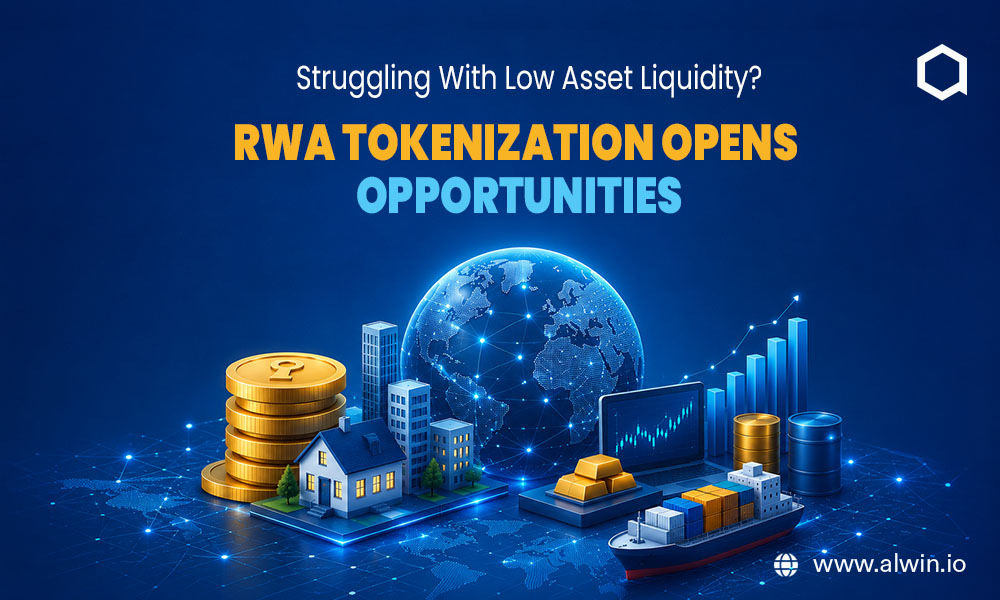
Traditional assets like property, artwork, or shares in private companies are valuable, but selling them fast isn't easy. These deals usually involve brokers, legal checks, and stacks of paperwork, and they often only close if someone wants to buy the entire thing. That can take weeks or even months.
Tokenization solves this by turning that same asset into digital tokens on a blockchain. Each token represents a small share of ownership, recorded transparently so it can't be faked or altered. Instead of finding one buyer for a whole property or artwork, sellers can offer it in smaller, more affordable pieces that everyday investors can buy.
Since these tokens exist on a blockchain, trading them skips most of the paperwork and middlemen. Deals can settle in minutes instead of weeks, costs stay lower, and buyers from anywhere in the world can take part, not just people nearby.
This matters because turning assets into cash quickly has always been difficult with things like property or private equity. By splitting them into smaller digital units, tokenization makes it easier for owners to sell and for new investors to get in, without needing a lot of money upfront.
Which real-world assets are best suited for tokenization?
Not every asset benefits equally from tokenization, but a few types stand out because they're valuable, hard to divide, and slow to trade in their traditional form.
Real estate is probably the biggest one. Property is expensive, doesn't sell overnight, and usually requires a single buyer for the entire unit, which makes it a natural fit for splitting into smaller, tradable shares.
Art and collectibles work well too, since high-value pieces are often out of reach for most buyers, but fractional ownership lets more people invest in something like a painting or rare item without buying it outright.
Private equity and shares in privately-held companies also benefit, since these are normally locked up for years with no easy way to exit early. Tokenizing them gives investors a path to buy or sell smaller portions sooner.
Bonds, commodities like gold, and investment funds are gaining traction as well, mainly because they already have clear, verifiable value, which makes them easier to represent accurately as digital tokens.
How Do RWA Tokens Create New Investment Opportunities?
For a long time, good investments like real estate, private equity, and fine art needed a lot of money upfront, so only a small group of people could get in. RWA tokens are changing that by breaking these assets into smaller digital pieces that anyone can buy.
Instead of purchasing an entire property, someone can now own a small share of it through a token. This makes it easier to build a varied portfolio without spending a fortune, since smaller amounts can be spread across different assets like real estate, businesses, or commodities.
Location isn't a barrier either, since these tokens trade on digital platforms, letting investors buy into assets based anywhere in the world. There's also more flexibility, as tokenized assets can usually be bought or sold anytime instead of being locked up for years.
Who Should Consider Investing in RWA Tokens?
RWA tokens can appeal to a wide range of investors, not just those with large amounts of capital. People who want exposure to assets like real estate, private equity, or fine art, but don't have the money to buy in outright, are a natural fit, since tokenization allows them to invest in smaller, more affordable amounts.
They also suit investors looking to diversify without locking up large sums for years. Since tokenized assets are often easier to buy and sell compared to traditional versions, they work well for people who want some flexibility instead of committing to a long-term, illiquid investment.
Beyond individual investors, this space can also interest those curious about blockchain-based finance and want a more tangible way to get involved, since RWA tokens are backed by real, physical, or financial assets rather than something purely speculative.
What Should Investors Check Before Buying RWA Tokens?
Before buying, check what asset actually backs the token, like real estate, artwork, or private equity, and make sure it's been properly verified and appraised. It also helps to know who manages the real-world asset, since a trustworthy custodian ensures the token truly matches what it represents.
Legal compliance matters too, so confirm the platform follows proper regulations in its operating regions. Checking security, like audits and how well-tested the smart contracts are, also helps avoid unnecessary risk.
Lastly, look at how easily the token can be bought or sold later, since liquidity varies between tokenized assets and affects how realistic your investment plans should be.
Common Challenges in RWA Tokenization and How to Address Them
RWA tokenization is a promising space, but it isn't free of obstacles. Understanding these challenges helps make sense of where the industry is headed.
What is the biggest challenge in RWA tokenization? Regulation is often the toughest hurdle. Laws around digital ownership of real-world assets vary widely from country to country, and many regions still don't have clear rules in place. This can be addressed by working closely with legal experts in each region and building platforms that adapt to local compliance requirements rather than using a one-size-fits-all approach.
Is it hard to value tokenized assets accurately? Yes, valuation can be tricky, especially for assets like art or private business shares that don't have a constant market price. This is usually solved by using independent appraisers and updating valuations regularly, so token prices stay realistic and trustworthy.
Does liquidity remain a problem after tokenization? Even after tokenizing an asset, it still needs enough buyers and sellers to trade smoothly. Early on, some tokenized markets lack enough participants. Growing this liquidity comes down to building active marketplaces and attracting a wider base of investors over time.
Are there security risks with RWA tokens? Like any blockchain-based system, tokenization platforms can be targets for hacking or technical bugs. Regular security audits, strong encryption, and well-tested smart contracts help lower this risk significantly.
Do investors trust tokenized assets right away? Not always. Since the concept is still new to many people, some investors hesitate due to unfamiliarity. Clear education, transparent reporting, and simple onboarding processes go a long way in building that trust over time.
Why RWA Tokenization Could Shape the Future of Asset Investment?
Investing has always favored people with large amounts of money and the right connections. Valuable markets like real estate, private equity, and fine art were mostly out of reach for everyday investors. RWA tokenization is starting to change that by breaking these assets into smaller digital units, letting more people invest with much smaller amounts of money.
This shift also makes markets work better. When more people can buy and sell smaller portions of an asset, prices tend to reflect real demand more accurately, instead of being shaped by just a few large buyers. Tokenization also removes geographic limits, since someone in one part of the world can invest in an asset based somewhere else entirely, without needing a local broker or physical presence.
As legal rules become clearer and more people grow comfortable with digital ownership, it's likely that more types of assets, from infrastructure to intellectual property, will follow real estate and private equity into the tokenized space. For long-term investors, this means more flexibility. Instead of being locked into large, illiquid investments for years, tokenized assets offer an easier way to enter and exit positions while still holding exposure to real, valuable assets.
How to Get Started With RWA Tokenization Development?
Getting started with RWA tokenization begins with picking which asset to tokenize, like real estate, a private business, or artwork. This choice guides everything that follows.
Next is the legal groundwork. Since tokens represent real ownership, it's important to understand the rules in the regions where the platform will operate, so working with legal advisors early on really helps.
After that comes the technical setup, which includes choosing a blockchain, building smart contracts to manage ownership, and adding secure wallets and a marketplace for trading tokens. The asset also needs to be properly linked to its digital token through appraisal and documentation, usually with a custodian keeping track of it.
Once the platform launches, it still needs regular checks and updates to stay secure and compliant over time. This is why many businesses choose to partner with an experienced development team like WeAlwin, which brings the technical and compliance expertise needed to build and maintain a reliable tokenization platform from start to finish.
Why Choose WeAlwin for RWA Tokenization Development?
Building a strong RWA tokenization development process takes more than just code. It needs a team that understands blockchain, legal compliance, and how to properly link a real-world asset to its digital form. WeAlwin brings all of this together, helping businesses turn assets like real estate, private equity, and artwork into secure, tradeable tokens, while handling the technical side and guiding compliance along the way.
Security stays a priority throughout, with regular audits and reliable infrastructure protecting both platform owners and investors. Whether a business is just starting or expanding an existing platform, WeAlwin supports every stage of RWA tokenization development, including ongoing maintenance and updates after launch, making it a solid partner for anyone looking to enter the space with confidence.