Ask any investor what frustrates them most about building wealth, and you'll hear the same complaints again and again: too much capital needed upfront, too much paperwork, and too little flexibility once your money is locked in. Real estate can take months to sell. Private equity deals often demand six or seven figures just to get a seat at the table. Even something as simple as owning a share of a rare asset usually means dealing with brokers, legal fees, and long waiting periods. For most people, the door to these markets has stayed firmly shut.
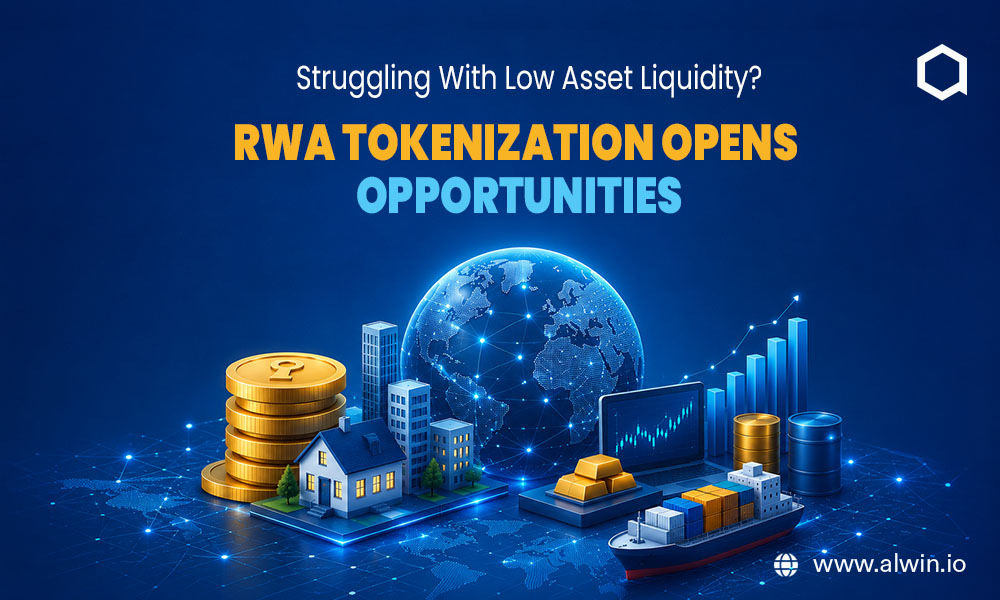
That's exactly why tokenized assets are generating so much buzz right now. By breaking high-value assets into smaller, tradable digital tokens, tokenization removes the barriers that once kept everyday investors and growing businesses on the outside looking in. Suddenly, illiquid assets become liquid, six-figure minimums shrink into affordable fractions, and transactions that used to take weeks can settle in a fraction of the time. It's not hype; it's a practical fix to problems the investment world has lived with for far too long, and it's why this topic is impossible to ignore right now.
What Does It Really Mean to Turn a Real-World Asset Into a Token?
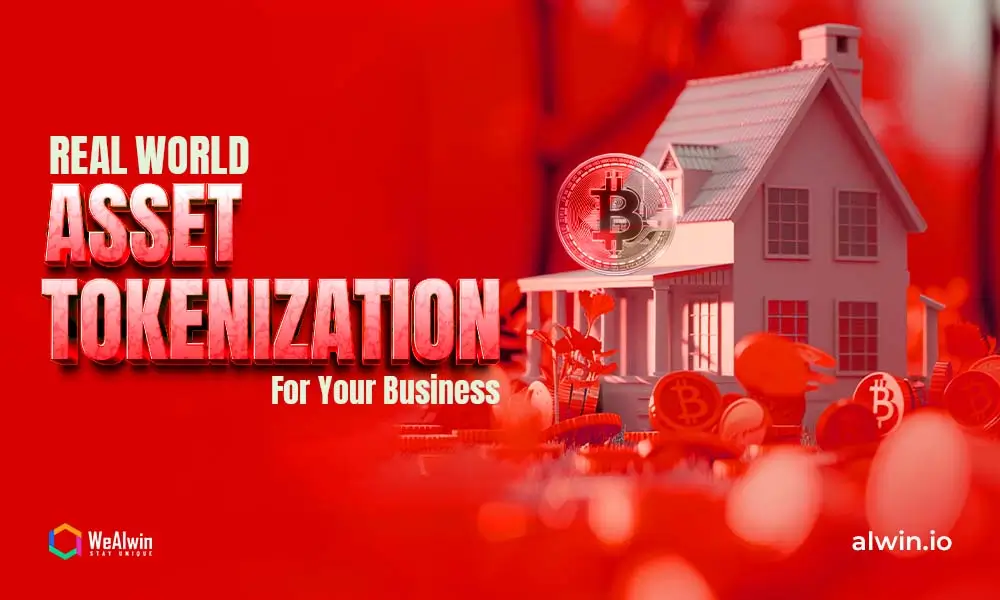
Tokenizing a real-world asset means turning defined ownership rights or economic interests in a physical or traditional asset into digital tokens that can be recorded and managed on a blockchain.
For example, a property worth $1 million could be divided into a set number of digital tokens. Instead of handling every ownership record only through traditional paperwork, the token system can provide a digital way to track and transfer the defined interests.
How the Process Works, Step by Step?
Turning a real-world asset into a digital token happens in five simple steps: picking the asset, checking its value, setting up the legal ownership, creating the token, and making it available to trade.
1. Asset Selection
It starts with choosing what to tokenize. This could be a property, gold, a business share, or even future income from a project. Not every asset qualifies; it needs real value and clear ownership.
2. Valuation and Verification
Before going digital, the asset's true value gets confirmed through appraisals or audits. This step builds trust, since buyers need to know the token actually represents something real.
3. Legal Structuring
Next, ownership rights are clearly defined and connected to the token. This usually involves a legal framework so token holders have a real, enforceable claim to the asset, not just a digital file.
4. Token Issuance
Once the legal side is ready, the digital tokens are created on a blockchain. Each token represents a small piece of the asset's value, and smart contracts manage how many tokens exist and what rights they carry.
5. Distribution and Trading
Finally, the tokens are made available to investors. People can buy, sell, or transfer them easily, often in minutes with full visibility into who owns what.
Business Benefits of Real-World Asset Tokenization
Real-world asset tokenization has several compelling benefits that make it easier to manage and sell things.
Enhanced Liquidity
Real-world asset tokenization improves liquidity by turning physical assets into digital tokens.This allows owners to sell part of their assets instead of the whole asset, which makes assets like real estate or fine art to everyday investors, not just the wealthy few.
Increased Accessibility
Tokenization makes it possible to trade assets around the world. This makes it easier for people from all over the world to invest and make their portfolios more diverse.
Cost Efficiency and Streamlined Processes
Every transaction gets permanently logged on the blockchain, so there's a lasting record that can't be altered. This keeps track of who owns something and makes it less likely to be cheated. This system makes investors, buyers, and regulators trust each other.
Global Reach and Inclusivity
Tokenization makes transactions faster and more cost-efficient. Trading and transferring assets becomes simpler, cheaper, and quicker as a result.
How Much Does Real-World Asset Tokenization Cost?
Real-world asset tokenization can cost anywhere from $25,000 to $300,000 or more, depending on what you are building. A simple tokenization project may need a smaller budget, while a complete platform with compliance, smart contracts, investor features, security, and trading options can require a much larger investment.
Real-World Asset Tokenization Cost
- A general cost range looks like this:
- Basic tokenization solution: $25,000 to $50,000
- Advanced tokenization platform: $50,000 to $100,000
- Custom RWA platform: $100,000 to $200,000
- Enterprise-level platform: $200,000 to $300,000+
- Large multi-market platform: $300,000 to $1 million+
These are estimated ranges. The actual cost depends on the project's requirements, asset type, technology, and regulatory needs.
What are the Most Commonly Tokenized Real-World Assets?
One of the most common questions people ask when they first hear about tokenization is simple: what can actually be tokenized? The honest answer is almost anything with value. But in practice, a handful of asset classes have led the way, because they solve real, specific problems for the people who own them.
Real estate is often the first example people think of, and for good reason. Property has always been valuable but hard to access high entry costs, slow paperwork, and limited buyers. Tokenization breaks a property into smaller, tradable shares, letting investors buy into real estate without needing to purchase an entire building, and letting owners unlock liquidity without a full sale.
Government bonds and treasuries have quietly become one of the largest tokenized categories, especially among institutional investors. These assets are attractive because they're low-risk and familiar, and tokenizing them simply makes settlement faster and access easier without changing what the asset fundamentally is.
Commodities like gold and precious metals are another natural fit. Instead of storing physical gold or trusting a middleman, buyers can hold a token that represents verified ownership, backed by real reserves. It's the same trust, with far more flexibility to trade or transfer.
Private credit and business debt are increasingly being tokenized too, giving businesses a new way to raise capital and giving investors access to lending opportunities that were once reserved for large financial institutions.
Art, collectibles, and luxury goods round out the list of assets that were traditionally illiquid and hard to value fairly. Fractional tokenized ownership lets everyday collectors and investors participate in markets that used to be closed off to anyone without serious wealth.
What's Next for Tokenized Assets?
Where is tokenization headed?
Further and faster than most industries manage to move. No one can predict the exact numbers, but the direction is clear: this is one of the few blockchain applications traditional finance itself is betting on. Major banks and consulting firms have pointed to a multi-trillion-dollar market by 2030, with tokenization expected to become a standard part of how assets are owned and traded, not just a side experiment.
What's driving this isn't hype it's infrastructure finally catching up to demand. Regulations that once slowed things down are becoming clearer, and tokenized assets are increasingly held to the same ownership and investor-protection standards as traditional ones. Banks and asset managers aren't just watching anymore; many are actively building their own tokenization platforms, which makes the space feel more credible to everyday investors and businesses.
For buyers, this likely means more asset variety and fewer barriers to entry over time. For founders and businesses, it's a widening window of opportunity the earlier you understand how to tokenize assets responsibly, the more prepared you'll be as demand and clarity both grow. Tokenization isn't peaking. It's still early.
Conclusion
Tokenization can be a smart move for businesses that want to bring real-world assets onto the blockchain and make ownership easier to manage, transfer, and track. That said, the right approach depends on your specific business needs, the type of asset involved, who your target users are, and the legal requirements you'll need to meet.
For founders and buyers, a well-built RWA Tokenization Development can open up new business opportunities while making transactions more transparent and efficient. But before launching, it's worth carefully thinking through security, compliance, smart contract design, and overall user experience these are the details that determine whether a platform actually works in practice.
If you're planning to enter the tokenization space, working with an experienced Blockchain Development Company can make the process far smoother and help you avoid costly mistakes. WeAlwin offers RWA tokenization Platform Development solutions built to help businesses turn real-world assets into secure, functional blockchain-based digital assets.